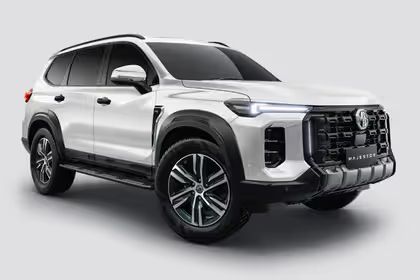
All New Tata Vehicles Basics: Learn About New Cars, SUVs, Electric Vehicles, Performance Facts, and Buyer Suggestions
Tata Motors vehicles represent one of the most recognized automotive lineups in India and several international markets. The company develops passenger cars, sport utility vehicles (SUVs), electric vehicles (EVs), commercial vehicles, and fleet transportation solutions designed to address a wide range of mobility needs.
Understanding All New Tata Vehicles
The automotive industry continues to evolve rapidly due to changing consumer preferences, environmental regulations, advances in vehicle technology, and increasing demand for sustainable transportation. As a result, Tata Motors has expanded its portfolio to include conventional fuel-powered vehicles, electric SUVs, connected mobility technologies, and advanced safety features.
Today, discussions around best Tata cars, Tata electric SUV models, Tata hybrid vehicles, Tata EV charging solutions, Tata fleet vehicles, and Tata car booking online platforms have become increasingly common among individuals seeking information about modern transportation options.
Understanding the latest vehicle categories and technologies helps consumers, businesses, fleet operators, and automotive enthusiasts make informed decisions regarding transportation and mobility trends.
Why New Tata Vehicles Matter Today
Modern vehicles play a significant role in personal mobility, business operations, logistics, and environmental sustainability. New automotive technologies aim to improve efficiency, safety, connectivity, and driving convenience.
Several factors contribute to the growing interest in Tata Motors vehicles:
- Expansion of electric mobility infrastructure
- Growing demand for connected vehicle technologies
- Increased emphasis on road safety
- Government support for cleaner transportation
- Rising awareness of environmental sustainability
These developments affect various groups including:
- Individual vehicle owners
- Families seeking practical transportation
- Corporate fleet managers
- Public transportation operators
- Automotive technology enthusiasts
Modern vehicles help address challenges such as fuel efficiency, urban commuting, vehicle safety, and emissions reduction. Electric vehicle adoption has also encouraged broader discussions around charging infrastructure and long-term sustainability goals.
Types of New Tata Vehicles
Tata Motors offers multiple vehicle categories designed for different driving requirements and usage scenarios.
Hatchback Vehicles
Hatchbacks are compact passenger vehicles designed primarily for urban transportation. They emphasize maneuverability, efficient space utilization, and practical everyday driving.
Examples commonly associated with this category include:
- Tiago
- Altroz
Sedan Vehicles
Sedans focus on passenger comfort, luggage capacity, and highway driving stability. These vehicles are often preferred for family and business travel.
Sport Utility Vehicles (SUVs)
SUVs continue to be among the most popular vehicle categories due to their higher seating position, road presence, and versatility.
Examples include:
- Punch
- Nexon
- Harrier
- Safari
Tata Electric SUV Models
The Tata electric SUV segment has expanded significantly in recent years. These vehicles use battery-powered electric drivetrains rather than conventional internal combustion engines.
Examples include:
- Nexon EV
- Punch EV
- Curvv EV
Tata Hybrid Vehicles
Hybrid vehicle technology combines electric propulsion assistance with traditional powertrain systems. While hybrid technology continues to evolve globally, it remains an important area of automotive innovation and future mobility discussions.
Tata Fleet Vehicles
Tata fleet vehicles support transportation requirements across business, logistics, institutional, and commercial operations. Fleet solutions are designed to improve operational efficiency and transportation management.
Benefits and Applications of New Tata Vehicles
Modern vehicle platforms provide several benefits across personal and commercial transportation environments.
Improved Safety Technologies
Many newer vehicles incorporate features such as:
- Multiple airbags
- Electronic stability systems
- Rear-view cameras
- Advanced braking systems
- Driver assistance technologies
Enhanced Connectivity
Connected vehicle systems increasingly provide:
- Smartphone integration
- Navigation support
- Remote vehicle monitoring
- Software updates
- Digital vehicle information systems
Environmental Advantages
Electric and low-emission vehicles contribute toward reducing tailpipe emissions and supporting environmental sustainability initiatives.
Fleet Management Applications
Businesses often utilize fleet vehicles for:
- Employee transportation
- Logistics operations
- Delivery networks
- Institutional transportation
- Infrastructure support activities
The table below illustrates common applications.
| Vehicle Category | Typical Application |
|---|---|
| Hatchback | Urban commuting |
| Sedan | Family and business travel |
| SUV | Mixed city and highway use |
| Electric SUV | Sustainable mobility |
| Fleet Vehicle | Commercial transportation |
| Commercial Vehicle | Logistics and freight movement |
Top 5 Leading Provider Company Names
Several major automotive manufacturers contribute significantly to passenger vehicle, electric mobility, and fleet transportation markets.
- Tata Motors
- Maruti Suzuki
- Mahindra & Mahindra
- Hyundai Motor Company
- Toyota Motor Corporation
These organizations continue to influence vehicle development through innovations in safety, electrification, connectivity, and mobility solutions.
Recent Updates and Industry Trends
The automotive industry experienced several important developments throughout 2025 and early 2026.
Growth of Electric Mobility
During 2025 and 2026, electric vehicle adoption continued to expand across India. Improvements in battery technology and charging infrastructure contributed to broader EV awareness.
Expansion of Tata EV Charging Solutions
Charging infrastructure development remained a key focus area. Public and private charging networks continued expanding to support growing electric vehicle adoption.
Connected Vehicle Technologies
Vehicle manufacturers increasingly integrated advanced infotainment systems, over-the-air software updates, and connected mobility features.
Focus on Safety Ratings
Consumer interest in vehicle safety continued growing, with greater attention given to crash-test performance and active safety technologies.
Rise of Smart Mobility Ecosystems
Automotive companies increasingly explored integrated mobility ecosystems that connect vehicles, charging networks, navigation systems, and digital platforms.
Automotive Market Trends Graph
| Trend Area | Relative Industry Focus (%) |
| Electric Vehicles | 35 |
| Vehicle Safety | 25 |
| Connectivity Features | 20 |
| Fleet Mobility | 10 |
| Alternative Powertrains | 10 |
The chart reflects general industry priorities rather than specific manufacturer allocations.
Laws and Policies Affecting New Vehicles in India
Automotive manufacturing and vehicle usage operate within regulatory frameworks established by government authorities.
Bharat Stage Emission Standards
India's Bharat Stage emission standards establish limits for vehicle emissions and encourage cleaner transportation technologies.
Electric Mobility Programs
Government initiatives supporting electric mobility help encourage EV adoption and charging infrastructure development.
Vehicle Safety Regulations
Mandatory safety requirements continue to evolve, encouraging manufacturers to improve occupant protection technologies.
Fuel Efficiency Standards
Regulatory frameworks increasingly focus on improving vehicle efficiency and reducing environmental impact.
Registration and Road Compliance
Vehicles must comply with registration, taxation, insurance, and roadworthiness requirements established by relevant authorities.
These regulations influence vehicle design, production, environmental performance, and safety standards throughout the automotive sector.
Helpful Tools and Resources
A variety of digital resources help individuals learn about vehicles, charging infrastructure, and automotive technologies.
Official Manufacturer Resources
- Vehicle specifications databases
- Model comparison tools
- Ownership guides
- Digital brochures
Tata Car Booking Online Platforms
Digital vehicle information and reservation platforms provide access to model details, specifications, and availability information.
EV Charging Tools
Useful resources include:
- Charging station locators
- Range estimation calculators
- Charging network maps
- Battery monitoring applications
Automotive Research Platforms
Consumers frequently use:
- Vehicle comparison websites
- Safety rating databases
- Automotive news portals
- Industry research publications
Fleet Management Resources
Businesses may benefit from:
- Fleet utilization templates
- Vehicle tracking systems
- Maintenance scheduling tools
- Operational analytics platforms
The table below summarizes useful automotive resources.
| Resource | Purpose |
| Vehicle Comparison Tools | Compare specifications |
| EV Range Calculators | Estimate driving range |
| Charging Maps | Locate charging stations |
| Fleet Software | Monitor vehicle operations |
| Safety Databases | Review vehicle safety information |
Frequently Asked Questions
What are Tata Motors vehicles known for?
Tata Motors vehicles are known for offering passenger cars, SUVs, electric vehicles, commercial vehicles, and fleet transportation solutions across multiple market segments.
What is a Tata electric SUV?
A Tata electric SUV is a sport utility vehicle powered primarily by an electric battery system rather than a traditional fuel-powered engine.
How do Tata EV charging solutions support electric vehicles?
Tata EV charging solutions help support vehicle charging through home charging equipment, public charging infrastructure, and connected charging technologies.
What are Tata fleet vehicles used for?
Tata fleet vehicles are commonly utilized for logistics, employee transportation, commercial operations, institutional mobility, and business transportation requirements.
Why are SUVs becoming increasingly popular?
SUVs provide versatile interior space, elevated driving positions, road visibility, and suitability for various driving conditions, making them popular among many vehicle users.
Conclusion
The evolution of Tata Motors vehicles reflects broader changes occurring throughout the automotive industry. From hatchbacks and SUVs to electric mobility solutions and connected vehicle technologies, modern transportation continues to adapt to changing consumer expectations and environmental priorities.
Interest in best Tata cars, Tata electric SUV models, Tata hybrid vehicles, Tata EV charging solutions, Tata fleet vehicles, Tata car dealership networks, and Tata car booking online platforms highlights the growing importance of informed vehicle research. Understanding vehicle categories, safety technologies, industry trends, government policies, and available resources can help individuals better navigate the rapidly evolving mobility landscape.
As automotive innovation continues through electrification, digital connectivity, and sustainability initiatives, vehicles are expected to play an increasingly important role in supporting efficient, safe, and environmentally conscious transportation.
Informational Disclaimer: Vehicle specifications, features, availability, pricing estimates, charging infrastructure details, ownership packages, and technology offerings may vary by model year, geographic region, regulatory requirements, and transportation technologies are provided for educational purposes only. Readers should consult official manufacturer resources and applicable local regulations for the most current information.

Related Post...

Airport Cab Booking Guide: Explore Tips, Insight, Advice, and Useful Travel Info
Updated: September 25, 2026
Read More
Read Rental Car Basic and Tips: Helpful Guide to Booking, Savings, and Driving Smart Info
Updated: September 09, 2026
Read More
Mercedes-Benz GLC Electric Guide: Explore Feature, Fact, Details, and EV Technology Insights
Updated: September 15, 2026
Read More