Coursera Online Learning Guide: Learn Professional Certificates, Skill Development Insights, Study Advice, and Career Resources
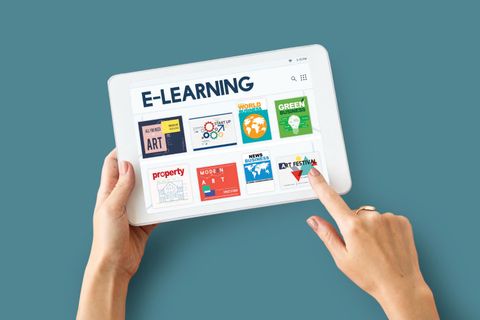
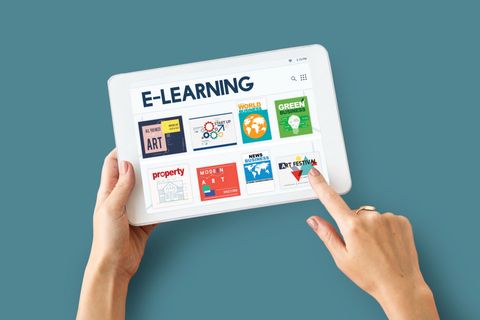
Coursera online learning has become part of the broader digital education landscape, giving learners access to university courses, professional certificates, specializations, and degree-level learning pathways through online platforms.
This guide explains how online certificates work, how learners can choose courses for professionals, and what to consider when exploring accredited online certificates and professional certification online.
Understanding Online Learning and Certificates
Online learning refers to education delivered through digital platforms using video lessons, reading materials, quizzes, projects, assessments, and interactive activities. It exists to make structured learning more flexible for students, professionals, career changers, and lifelong learners.
Platforms such as Coursera connect learners with universities, technology companies, and other educational organizations. Depending on the program, learners may study subjects ranging from digital marketing certification and cybersecurity certification online to cloud computing certification, machine learning courses online, and business education.
Online certificates are different from academic degrees. A certificate generally confirms completion of a particular learning program, while a degree represents a broader academic qualification. Learners should therefore examine exactly who issues a credential and what it represents before using it for academic or professional purposes.
Medical certification programs require additional attention. Completing an online healthcare-related course does not automatically establish professional medical licensing or authorization to practice. Learners should check the relevant professional regulator and institution before treating any certificate as a formal professional qualification.
Importance: Why Digital Learning Matters Today
Digital education has become increasingly important as technology, workplace practices, and professional knowledge continue to change. Learners can use online education to develop knowledge without necessarily following a traditional classroom schedule.
This approach can help:
- Students explore subjects before pursuing advanced education.
- Professionals develop knowledge in technology, management, finance, or business.
- Experienced workers update skills as industries change.
- Learners explore certificates I can get online based on their interests.
- International learners access courses from universities and organizations in different countries.
- Organizations develop structured learning pathways for employees.
Coursera's 2025 Global Skills Report highlighted the rapid growth of generative AI learning. Coursera reported that GenAI enrollments increased 195% year over year and exceeded 8 million enrollments, based on its platform data.
This illustrates a broader trend: learners are increasingly combining foundational education with targeted digital skills. However, completing a course should not be interpreted as a guarantee of professional advancement or a particular employment outcome.
Types of Online Learning Programs
Online learning platforms generally provide several program formats. Understanding these categories can make course selection easier.
| Program Type | Main Purpose | Typical Learning Format |
|---|---|---|
| Individual Courses | Learn one subject or skill | Videos, readings, quizzes |
| Specializations | Study a related group of subjects | Multiple connected courses |
| Professional Certificates | Build skills around a professional area | Lessons, projects, assessments |
| Academic Certificates | Develop structured academic knowledge | Institution-led coursework |
| Online MBA Programs | Study business and management | Courses, projects, assessments |
| Degree Programs | Complete broader academic qualifications | Structured multi-term study |
| Micro-credentials | Demonstrate focused knowledge | Short, skill-specific learning |
| MOOCs | Large-scale online education | Self-paced or scheduled learning |
Popular subjects include digital marketing certification, cybersecurity certification online, cloud computing certification, data analytics, artificial intelligence, machine learning courses online, project management, business analytics, and leadership.
Learners interested in medical certification programs should distinguish between educational certificates and credentials that require approval from a medical or professional regulatory authority.
Benefits and Applications
Online learning can provide several educational advantages when learners choose programs that match their goals and previous knowledge.
Flexible study: Digital courses can allow learners to study around existing academic or professional responsibilities.
Skill development: Courses can introduce technical and professional concepts in areas such as programming, cloud computing, cybersecurity, analytics, and digital marketing.
Structured progression: Specializations and certificate pathways can organize several related subjects into a logical sequence.
Portfolio development: Some programs include practical assignments and projects that demonstrate how a learner applied concepts.
Professional development: Courses for professionals can help experienced learners understand emerging tools, methodologies, and industry concepts.
Academic exploration: Learners can use introductory courses to understand unfamiliar subjects before committing to a longer academic pathway.
Applications can range from technology and business education to marketing, data science, project management, cloud infrastructure, cybersecurity, artificial intelligence, and healthcare education.
The value of a credential depends on factors such as the issuing institution, curriculum, assessment method, accreditation or recognition where applicable, learner performance, and relevance to the intended purpose.
Five Leading Online Learning Providers
The online education market includes many established platforms with different content models and areas of specialization.
- Coursera — Known for university courses, Professional Certificates, Specializations, and degree pathways.
- edX — Provides courses and programs associated with universities and educational institutions.
- LinkedIn Learning — Focuses strongly on professional, business, creative, and technology skills.
- FutureLearn — Provides courses and programs from universities and other educational organizations.
- Pluralsight — Concentrates primarily on technology, software development, cloud, data, and related technical skills.
These platforms differ in curriculum, credential structure, assessment, academic recognition, subject coverage, and learning format. Learners should compare the specific program rather than assuming that every certificate has equivalent academic or professional recognition.
Recent Updates and Trends
Online learning continued to evolve during 2025 and 2026, particularly around artificial intelligence and micro-credentials.
In April 2025, Coursera announced new partners, five entry-level Professional Certificates, additional generative AI content, and a new degree pathway.
In June 2025, Coursera published its Global Skills Report, highlighting significant growth in generative AI learning and changing skill patterns across more than 100 countries.
In September 2025, Coursera announced additional university and industry partnerships and expanded professional certificate pathways, including collaboration with Anthropic.
In February 2026, Coursera announced five new Professional Certificates and described growing learner interest in AI agents, AI-assisted design, and critical thinking.
In April 2026, eleven new Microsoft Professional Certificates were announced across AI, data, and software development, expanding Microsoft's Professional Certificate portfolio on Coursera.
In May 2026, Coursera and Udemy completed their combination and stated that the platforms would remain separate for the time being.
In June 2026, Coursera announced new micro-credentials from organizations including Google DeepMind, Meta, Microsoft, HRCI, and MathWorks.
These developments show a clear movement toward AI literacy, technical skills, micro-credentials, and practical project-based learning.
Laws, Policies, and Recognition in India
In India, online education is influenced by regulations from bodies such as the University Grants Commission (UGC). The UGC maintains regulations covering Open and Distance Learning and online programs, including a Third Amendment issued in 2024.
The UGC also published the Minimum Standards of Instruction for the Grant of Undergraduate Degree and Postgraduate Degree Regulations, 2025, dated April 2, 2025.
A key distinction is that an online certificate from a global learning platform is not automatically equivalent to a UGC-recognized Indian university degree. Recognition depends on the institution, qualification, program, and applicable rules.
Certain academic and professional areas may also have restrictions or additional regulatory requirements. UGC regulations have historically identified fields such as medicine, nursing, pharmacy, dental education, architecture, law, and other regulated areas as subject to restrictions under applicable frameworks.
Learners in India should therefore verify:
- The identity of the credential issuer.
- Whether the qualification is a certificate, diploma, or degree.
- Applicable UGC recognition.
- Requirements of the relevant professional regulator.
- Whether credits can be transferred or recognized.
- Whether an institution has the appropriate authorization for the particular program.
Tools and Resources for Online Study
A practical online learning approach can combine a learning platform with independent study tools.
- Learning management systems: Track lessons, assignments, quizzes, and progress.
- Digital calendars: Schedule recurring study periods.
- Note-taking applications: Organize concepts, definitions, and revision notes.
- Spreadsheets: Track modules, assessment scores, and learning milestones.
- Reference libraries: Store academic papers, documentation, and reading material.
- Practice environments: Useful for programming, cybersecurity, cloud computing, and data analysis.
- Portfolio tools: Organize completed projects and learning evidence.
- UGC resources: Check Indian regulatory information when evaluating formal online qualifications.
When comparing online professional courses, review the syllabus, learning outcomes, assessment approach, credential issuer, duration, prerequisites, and recognition status.
Frequently Asked Questions
What are online certificates?
Online certificates are credentials or completion records associated with structured digital learning programs. Their academic or professional value depends on the issuing organization and the purpose for which the credential is used.
Can I get professional certification online?
Yes. Many fields have online professional certification programs or certificate pathways. However, regulated professions may require additional examinations, practical training, licensing, or approval from a relevant authority.
Are accredited online certificates the same as degrees?
No. A certificate and a degree are different qualifications. Recognition and academic value depend on the issuing institution and applicable regulations.
Which online subjects are currently popular?
Artificial intelligence, machine learning, cloud computing, cybersecurity, data analytics, digital marketing, business management, and technology-related subjects are prominent areas of online learning.
Are online MBA programs recognized everywhere?
Recognition varies by institution, country, program, and regulator. Learners should verify the university's authorization and the applicable recognition framework before enrolling.
Conclusion
Online learning provides a structured way to explore knowledge, develop technical abilities, and pursue professional education through digital platforms. Options range from individual courses and online professional courses to professional certification online, micro-credentials, and online MBA programs.
The most useful approach is to compare the curriculum, credential issuer, assessment method, recognition, prerequisites, and intended application before selecting a program. For specialized areas such as medical certification programs, additional regulatory checks are particularly important.
As AI, cybersecurity, cloud computing, data science, and other technologies continue to evolve, online education is likely to remain an important part of lifelong learning. A careful, evidence-based approach can help learners choose programs that genuinely match their educational objectives without relying on exaggerated claims or guaranteed outcomes.
Informational disclaimer: Program prices, subscription structures, financial-aid arrangements, and package details can change by provider, country, and date. Verify current information directly with the relevant educational platform before making an enrollment decision.

Related Post...