Explore Luxury Home Interiors: Guide to Design Tips, Insights, and Inspiration
Luxury home interior design is the process of planning and decorating residential spaces with an emphasis on comfort, aesthetics, functionality, quality materials, and thoughtful details. It combines architectural elements, furniture, lighting, textures, colors, and decorative features to create a coordinated living environment.
Understanding Luxury Home Interior Design
Unlike a design approach focused only on expensive furnishings, high-end interior design considers how people use their homes. A well-planned interior balances appearance with practical requirements such as storage, natural lighting, accessibility, ventilation, and long-term maintenance.
Luxury Home Interior Design can be adapted to different architectural styles and cultural preferences. A contemporary apartment in Singapore may use clean lines and compact furniture, while a Mediterranean villa may emphasize natural stone, warm colors, and outdoor connections.
Main Elements of Luxury Home Interiors
Several design elements contribute to the overall appearance and functionality of an upscale residential space.
Space planning: Organizing rooms, furniture, circulation areas, and storage to support everyday activities.
Material selection: Using materials such as natural stone, hardwood, glass, metal, and high-quality textiles.
Lighting design: Combining natural daylight, ambient lighting, task lighting, and decorative fixtures.
Furniture and furnishings: Selecting pieces that complement room proportions, architectural features, and personal requirements.
Color coordination: Creating balanced combinations of neutral shades, accent colors, and contrasting textures.
Technology integration: Incorporating smart lighting, climate controls, security systems, and automated window treatments.
Decorative detailing: Using artwork, architectural panels, rugs, accessories, and carefully selected finishes.
The effectiveness of these elements depends on their coordination. Even expensive materials may appear disconnected when colors, proportions, and lighting are not planned together.
Popular Luxury Interior Design Styles
Luxury interiors do not follow one universal appearance. Different styles reflect different lifestyles, cultural influences, and architectural traditions.
| Design style | Main characteristics | Common materials |
|---|---|---|
| Modern luxury | Clean lines and simple forms | Glass, metal, stone |
| Contemporary luxury | Current design influences and flexible layouts | Wood, textured finishes |
| Classic luxury | Decorative detailing and balanced proportions | Marble, hardwood, decorative plaster |
| Minimalist luxury | Uncluttered spaces and restrained decoration | Natural stone, timber |
| Industrial luxury | Exposed structural features and contrasting textures | Concrete, steel, brick |
| Biophilic design | Connections with nature and natural elements | Wood, plants, stone |
Luxury Home Design Ideas for Different Spaces
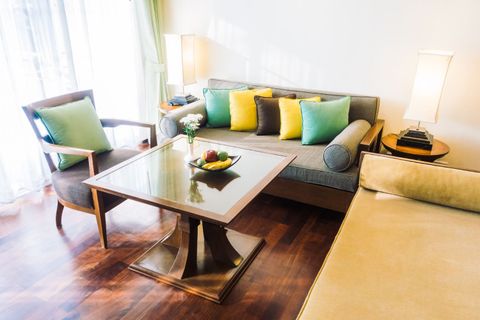
Living rooms: Open layouts, comfortable seating, layered lighting, textured wall finishes, and coordinated artwork can create an inviting environment.
Bedrooms: Upholstered headboards, soft lighting, practical storage, quality bedding, and calming color combinations can support a comfortable atmosphere.
Kitchens: Well-organized cabinetry, durable countertops, suitable task lighting, and efficient work areas help combine visual appeal with everyday usability.
Bathrooms: Natural stone, carefully positioned mirrors, appropriate ventilation, layered lighting, and functional storage can create a balanced interior.
Luxury penthouses: Large windows, panoramic views, open-plan layouts, integrated lighting, and carefully selected furniture are common features of Luxury Penthouse Interior Design.
Outdoor spaces: Balconies, terraces, landscaped areas, and shaded seating can extend the living environment beyond the interior rooms.
Importance of Luxury Home Interiors Today
Interior design influences how people experience their homes. As residential spaces increasingly accommodate work, relaxation, entertainment, and family activities, thoughtful planning has become important across different property types.
Luxury interiors can address practical challenges while creating a distinctive visual identity.
Comfort, Functionality, and Space Management
A carefully designed home can make daily activities more convenient. Proper furniture placement improves movement, while built-in storage reduces clutter and helps organize household items.
These considerations are especially relevant in apartments, penthouses, and urban residences where available space may be limited.
Personalization and Lifestyle Requirements
Luxury interior designers consider the preferences and requirements of the people using a space. Some homeowners prioritize entertaining areas, while others prefer quiet reading spaces, home offices, or dedicated fitness rooms.
Important planning considerations include:
Household size and daily routines.
Cultural preferences and decorative traditions.
Lighting and ventilation requirements.
Storage and accessibility needs.
Furniture dimensions and room proportions.
Technology and entertainment requirements.
Sustainability and Biophilic Interior Design
Biophilic interior design introduces natural elements into residential environments. It may include indoor plants, natural materials, daylight, water features, and views of outdoor landscapes.
This approach is associated with growing interest in healthier and more environmentally conscious living spaces.
Practical examples include:
Using natural daylight wherever possible.
Incorporating indoor plants suitable for the local climate.
Selecting durable materials with transparent environmental information.
Improving ventilation and indoor air quality.
Connecting indoor spaces with balconies, gardens, or terraces.
Biophilic design can improve the visual connection with nature, although individual health benefits depend on the wider environment and cannot be guaranteed by interior decoration alone.
Recent Updates and Luxury Interior Design Trends
During 2025 and 2026, residential interior design has shown growing interest in personalization, natural materials, wellness-focused spaces, and technology integration.
Several industry reports highlight changes in how homeowners and designers approach modern luxury home interiors.
Personalized and Expressive Interiors
The American Society of Interior Designers (ASID) published its 2026 Trends Outlook Report on January 27, 2026. The report examined changing lifestyles, sustainability, technology, and adaptive living. It also highlighted growing interest in spaces that reflect individual preferences rather than relying entirely on uniform design styles. <Cite refs={["turn210035search1"]}/>
Related design developments include:
More expressive colors and decorative details.
Customized furniture and architectural features.
Artwork and accessories reflecting personal interests.
Flexible rooms that accommodate different activities.
Natural Materials and Organic Shapes
Natural stone, medium-toned wood, textured fabrics, and curved furniture are receiving attention in 2026 interior design forecasts.
These elements can introduce visual warmth and create contrast with modern architectural features. They are particularly relevant to biophilic interior design, where natural textures and organic forms help establish connections with the surrounding environment.
Smart Home Integration
Technology is becoming an important part of high-end residential planning. Examples include:
Automated lighting and temperature controls.
Motorized curtains and blinds.
Integrated entertainment systems.
Smart security and access controls.
Energy monitoring and intelligent climate management.
Technology should remain convenient and unobtrusive. Designers also need to consider electrical capacity, connectivity, maintenance, and data privacy.
Sustainability and Long-Term Design
Recent design discussions increasingly emphasize durable materials, repairable furniture, efficient lighting, and reduced material waste. These approaches can help create interiors that remain practical beyond short-lived decorating trends. <Cite refs={["turn210035search16","turn210035search5"]}/>
Laws, Regulations, and Building Policies Worldwide
Luxury home interiors are influenced by building regulations, fire safety requirements, accessibility standards, electrical codes, and environmental policies. The applicable rules depend on the country, city, property type, and nature of the renovation.
Interior designers and homeowners should check local requirements before making structural or technical changes.
Building and Fire Safety Regulations
Many countries regulate residential construction and renovation through building codes. These requirements may cover:
Fire-resistant materials and escape routes.
Electrical wiring and lighting installations.
Ventilation and indoor air quality.
Staircases, balconies, and structural modifications.
Bathroom and kitchen safety.
Accessibility and safe circulation.
For example, the United States uses state and local building codes, often based on model codes such as the International Residential Code (IRC) and International Building Code (IBC).
In the United Kingdom, applicable Building Regulations address areas such as structural safety, fire safety, energy efficiency, ventilation, and accessibility.
Energy Efficiency in the European Union
The revised Energy Performance of Buildings Directive (EU) 2024/1275 entered into force on May 28, 2024, with a general national transposition deadline of May 29, 2026.
It establishes a framework for improving building energy performance, renovation, and decarbonization. Its requirements are implemented through national legislation in individual EU member states. <Cite refs={["turn210035search3","turn210035search4"]}/>
For interior projects, these developments make insulation, efficient lighting, ventilation, and building-system performance important planning considerations.
Environmental and Material Regulations
Some jurisdictions regulate the use of particular construction materials, chemical emissions, timber products, and waste disposal methods.
Before selecting paints, adhesives, flooring, or furniture materials, consider:
Indoor air quality and chemical emissions.
Fire performance and product certifications.
Responsible timber sourcing.
Material durability and maintenance.
Local waste-management requirements.
Luxury interior design should combine visual preferences with applicable safety and environmental requirements.
Tools and Resources for Interior Design Planning
Digital tools can help homeowners and interior designers organize ideas, evaluate layouts, and understand how materials and furniture may look together.
Helpful Design Software and Websites
| Tool | Main purpose |
|---|---|
| AutoCAD | Technical drawings and floor plans |
| SketchUp | Three-dimensional interior modeling |
| Autodesk Revit | Building information modeling |
| Homestyler | Interior visualization and room planning |
| Planner 5D | Residential layout and design concepts |
| Design inspiration and reference collections | |
| Adobe Photoshop | Mood boards and visual presentations |
Practical Planning Resources
Before beginning a residential interior project, prepare:
Mood boards: Collect color palettes, furniture references, textures, and lighting concepts.
Room measurement sheets: Record dimensions, window positions, ceiling heights, and door openings.
Lighting plans: Identify ambient, task, and accent lighting requirements.
Material comparison sheets: Compare durability, maintenance, appearance, and environmental information.
Furniture layouts: Check circulation space and furniture proportions.
Project budget worksheets: Organize estimated material, furniture, installation, and renovation expenses.
Informational disclaimer: Interior design estimates and project packages vary according to property size, location, material specifications, architectural complexity, and installation requirements. Any published figures are indicative and should not be treated as guaranteed project amounts.
Frequently Asked Questions
What makes a home interior look luxurious?
A coordinated design, suitable lighting, quality materials, comfortable furniture, thoughtful space planning, and consistent detailing can create a luxurious appearance. Expensive decorative items are not essential.
What is the difference between modern and contemporary luxury interiors?
Modern design generally refers to a recognizable design movement emphasizing simplicity and functional forms. Contemporary design reflects current and evolving preferences, including changing materials, colors, and furniture styles.
What is biophilic interior design?
Biophilic interior design incorporates natural elements such as plants, daylight, natural textures, organic shapes, and outdoor views into indoor environments. Its purpose is to strengthen the visual and experiential connection between people and nature.
What should homeowners consider when selecting luxury interior designers?
Consider professional experience, previous residential projects, design approach, technical knowledge, material understanding, project documentation, and familiarity with local building regulations.
Are luxury penthouse interiors different from regular apartment interiors?
They often involve additional considerations, including panoramic views, large windows, open layouts, higher ceilings, terrace connections, and specialized lighting. However, the design principles of comfort, functionality, and proportion remain important.
Conclusion
Luxury home interiors combine aesthetics, functionality, comfort, and thoughtful planning. From modern luxury home interiors to traditional residential spaces and luxury penthouse interior design, each approach can reflect different architectural styles and lifestyle requirements.
The growing interest in biophilic interior design, sustainable materials, smart home technology, and personalized spaces shows how residential design continues to evolve.
Understanding design principles, exploring practical tools, and following local building regulations can help homeowners and designers develop well-organized living environments. Ultimately, successful high-end interior design is not simply about appearance; it is about creating spaces that are comfortable, practical, visually balanced, and suitable for everyday living.

Related Post...
Explore Essential Furniture for Home: A Guide to Type, Tips, and Interior Design Basics
Updated: November 27, 2026
Read More

Discover Health and Wellness Product: Explore Types, Benefits, Details, and Wellness Tips
Updated: November 26, 2026
Read More