Injection Molding Machine Overview: Knowledge, Advice, Applications, and Help
Injection molding machines are important plastic processing machinery used to transform polymer materials into shaped components through controlled heating, injection, cooling, and ejection. They are used across industries such as automotive, electronics, packaging, medical products, consumer goods, and industrial equipment.
Modern injection molding equipment ranges from conventional hydraulic systems to fully electric and automated production cells. The choice depends on material characteristics, component design, required production speed, precision, mold configuration, and production environment.
What Is an Injection Molding Machine?
An injection molding machine melts plastic material and injects it into a mold under controlled pressure. After the material cools and solidifies, the mold opens and the finished component is removed.
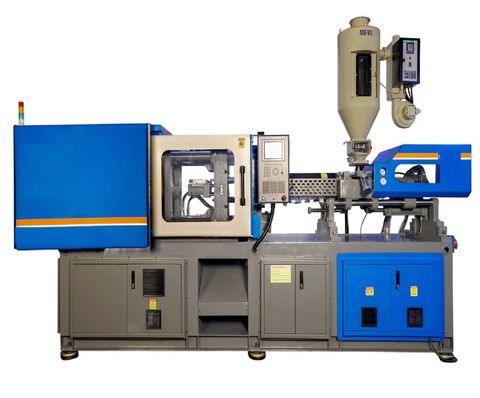
A typical industrial injection molding machine contains several major systems:
- Injection unit for melting and pushing polymer material
- Clamping unit for opening and closing the mold
- Heating and temperature-control systems
- Hydraulic, electric, or hybrid drive systems
- Controller for monitoring machine parameters
- Ejection mechanism for removing molded parts
- Safety systems and protective guarding
Injection molding production systems can operate as individual machines or as integrated manufacturing cells containing robots, conveyors, material handling equipment, inspection systems, and other peripherals.
Why Injection Molding Technology Matters Today
Plastic components are used in many everyday and industrial products, making reliable plastic processing machinery important to modern manufacturing. Injection molding can produce complex shapes repeatedly when the mold, material, machine settings, and process conditions are properly matched.
The technology also addresses several manufacturing requirements:
- Repeatable production of identical components
- Complex geometries and detailed surface features
- High-volume manufacturing
- Integration with robotics and automated handling
- Controlled material usage
- Production of lightweight components
- Consistent process monitoring
Energy consumption has also become an important consideration. Manufacturers are increasingly developing electric and servo-hydraulic platforms, while digital controls can help monitor process parameters and identify deviations.
Types of Injection Molding Machines
Injection molding machines can be classified according to their drive system, configuration, application, and production speed.
| Machine Type | General Characteristics | Typical Applications |
|---|---|---|
| Hydraulic injection molding machine | Uses hydraulic systems for injection and clamping | General industrial components |
| Electric injection molding machine | Uses electric drives for controlled machine movements | Precision parts, electronics, medical components |
| Hybrid machine | Combines electric and hydraulic technologies | Flexible industrial production |
| Horizontal injection molding machine | Mold generally opens along a horizontal axis | General-purpose molding |
| Vertical injection molding machine | Uses a vertical clamping arrangement | Inserts and specialized components |
| High speed injection molding machine | Designed for rapid cycles and fast material processing | Packaging and thin-wall parts |
| Automated injection molding machine | Integrated with robots and control systems | High-volume and repeatable production |
| Two-platen machine | Uses a two-platen clamping configuration | Large molded components |
An energy efficient injection molding machine may use electric drives, servo-hydraulic technology, optimized heating, variable-speed pumps, and intelligent process controls. Actual energy performance varies by machine design, material, mold, cycle conditions, and production requirements.
Benefits and Applications
Injection molding provides several technical advantages when the process is correctly designed and controlled.
Precision and repeatability
Computerized controls can regulate injection speed, pressure, temperature, clamping force, and other parameters. This helps manufacturers maintain consistent production conditions.
Automation
Injection molding machine automation can connect robots, conveyors, material loaders, vision inspection systems, and other equipment. Automated cells can reduce manual handling and support consistent production workflows.
Material flexibility
Different machines and molds can process materials such as polypropylene, polyethylene, ABS, polycarbonate, polyamide, and engineering polymers. Material selection depends on the required mechanical, thermal, chemical, and appearance characteristics.
Energy management
Electric and servo-hydraulic technologies can reduce unnecessary energy use compared with some conventional hydraulic configurations. However, actual performance should be assessed using machine specifications and measured operating data rather than general assumptions.
Industrial applications
Injection molding machines are widely used for:
- Automotive interior and exterior components
- Electrical and electronic housings
- Medical and laboratory components
- Food and beverage packaging
- Consumer products
- Appliance components
- Construction-related plastic components
- Industrial containers and fittings
- Precision engineering components
A complete injection molding machine integration project may also include mold-temperature controllers, dryers, material loaders, robots, conveyors, granulators, inspection equipment, and manufacturing data systems.
Leading Injection Molding Machine Companies
Five internationally recognized companies associated with injection molding machinery include:
ENGEL
ENGEL develops hydraulic, hybrid, and fully electric injection molding machines along with automation and digital process technologies. Its recent technology demonstrations have emphasized integrated production, process monitoring, automation, and energy management.
ARBURG
ARBURG manufactures hydraulic, hybrid, and electric machines and develops automated production cells combining molding machines, robotics, and peripheral equipment. Its ALLROUNDER range covers applications including packaging, medical technology, automotive, mobility, and mechanical engineering.
Haitian International
Haitian develops electric and servo-hydraulic injection molding platforms, including Zhafir electric machines and Haitian servo-hydraulic systems. Its technology portfolio also emphasizes connectivity, automation, and energy efficiency.
Sumitomo (SHI) Demag
Sumitomo (SHI) Demag produces all-electric, hybrid, and servo-hydraulic injection molding machines. Its IntElect and PAC-E platforms address precision and high-speed applications, while the company also develops integrated automation solutions.
Milacron
Milacron produces all-electric, servo-hydraulic, and low-pressure injection molding systems covering a broad range of applications and machine sizes. Its portfolio includes technologies for automotive, packaging, medical, construction, and consumer applications.
These companies represent examples of major international manufacturers; machine suitability depends on application requirements rather than company name alone.
Recent Updates and Industry Trends
During 2026, several developments have highlighted the direction of injection molding technology.
In January 2026, Sumitomo (SHI) Demag reported the commissioning of an integrated SAM-C automation cell using a fully electric IntElect 130 machine in Austria. The example combined an electric molding machine with integrated robotics and focused on precision, process stability, and energy efficiency.
In February 2026, Milacron announced its plans for PTXPO 2026, highlighting injection molding machinery, integrated automation, mold technologies, precision molding, and sustainable material developments.
In May 2026, ENGEL presented production technologies at FIP 2026 that included all-electric machines, automated production cells, digital assistance systems, and integrated surface-finishing technologies.
In September 2026, ARBURG demonstrated a digitally networked medical production cell at FAKUMA 2026. The system combined an electric injection molding machine, mold, automation, peripheral equipment, and an AI-based parameter optimization tool within its control environment.
These developments indicate several continuing themes:
- Greater use of electric machine technology
- Integration of robotics
- AI-assisted process monitoring
- Connected production systems
- Energy-management functions
- Digital quality control
- More integrated manufacturing cells
Laws and Policies in India
For businesses using injection molding equipment in India, environmental and machinery-safety requirements can be relevant.
The Plastic Waste Management Rules and subsequent amendments provide a regulatory framework for plastic waste management. India has also established Extended Producer Responsibility requirements for plastic packaging, supported by an online system administered through the Central Pollution Control Board.
The Plastic Waste Management Amendment Rules, 2024, notified on March 14, 2024, strengthened online reporting and expanded provisions connected with plastic waste management and EPR implementation.
India also notified the Solid Waste Management Rules, 2026 on January 27, 2026, with implementation beginning April 1, 2026. The updated framework emphasizes source segregation, circular-economy principles, online monitoring, and responsibilities for specified waste generators.
Machinery safety is another important consideration. The Machinery and Electrical Equipment Safety (Omnibus Technical Regulation) Amendment Order, 2025 states that the applicable regulation for machines and electrical equipment listed in its schedule takes effect from September 1, 2026, subject to the order's specified provisions and standards.
Because requirements can depend on the machine, material, application, state, and role of the organization, businesses should consult the applicable current Indian standards and regulatory authorities before implementation.
Tools and Resources
Several resources can help readers understand injection molding production systems and plan technical evaluations:
- CPCB Plastic Waste Management Portal – Information on plastic waste rules, EPR, reporting, and related resources.
- Machine manufacturer specification sheets – Useful for comparing clamping force, injection capacity, machine dimensions, drive technology, and control functions.
- Mold-flow analysis software – Helps evaluate filling behavior, cooling, pressure requirements, and potential molding issues.
- Energy monitoring meters – Can provide measured electricity-use data from production equipment.
- Material datasheets – Provide processing-temperature ranges and relevant polymer characteristics.
- Production monitoring software – Helps collect cycle, downtime, quality, and machine-performance information.
- Maintenance checklists – Can track lubrication, temperature-control equipment, hydraulic systems, electrical components, and safety inspections.
When comparing machines, useful technical parameters include clamping force, injection capacity, screw diameter, injection pressure, injection speed, mold dimensions, cycle time, drive type, controller capabilities, and automation compatibility.
Frequently Asked Questions
What does an injection molding machine do?
It heats plastic material until it reaches a suitable processing state and injects it into a mold. The material then cools and solidifies before the molded component is ejected.
What is the difference between hydraulic and electric machines?
Hydraulic machines use hydraulic systems for major movements and clamping functions, while electric machines use electrically driven systems. Electric platforms can provide precise movement control and may support lower energy consumption in suitable applications.
What is an automated injection molding machine?
It is an injection molding system integrated with equipment such as robots, conveyors, material handling units, inspection systems, or other automated devices. The level of automation varies by production requirement.
What does clamping force mean?
Clamping force is the force used to keep the mold halves closed during injection. The required force depends on factors such as projected part area, injection pressure, material, mold design, and process conditions.
Which industries use injection molding machines?
Major application areas include automotive, electronics, medical technology, packaging, appliances, consumer products, construction, and industrial manufacturing.
Conclusion
Injection molding machines form a central part of modern plastic manufacturing. From hydraulic and horizontal injection molding machines to high-speed electric systems and automated production cells, different technologies address different production requirements.
Current developments are increasingly focused on injection molding machine automation, energy efficiency, digital monitoring, AI-assisted process control, and injection molding machine integration. At the same time, manufacturers operating in India need to consider applicable machinery-safety requirements and plastic-waste regulations.
Understanding machine types, materials, mold requirements, automation options, energy characteristics, and applicable regulations can help readers evaluate injection molding production systems using objective technical information rather than promotional claims.

Related Post...


Injection Molding Machine Overview: Knowledge, Advice, Applications, and Help
Updated: October 01, 2026
Read More