Explore Modern Hospital Dental Chairs and Equipment: A Complete Guide to Uses, Features, and Fact
Modern hospital dental chairs and equipment are essential components of contemporary dental clinics, hospital dentistry departments, and specialized oral healthcare facilities. They help dental professionals examine patients, perform procedures, maintain suitable working positions, and follow infection prevention practices.
Understanding Modern Hospital Dental Chairs and Equipment
A complete dental treatment area may include a patient chair, an operating light, an instrument delivery system, suction equipment, a dental air compressor, and sterilization equipment. Depending on the facility, it may also contain digital imaging devices, monitoring instruments, and computer-based patient records.
Hospital dental chair equipment has developed from basic mechanical seating into integrated systems that support positioning, instrument access, and clinical workflow. Electric dental chair systems, adjustable headrests, programmable positions, and coordinated instrument controls are examples of features found in many modern designs.
Understanding these technologies helps hospital administrators, dentists, dental assistants, and equipment planners evaluate clinical requirements, maintenance needs, and patient safety considerations.
Why Dental Equipment Matters Today
Dental equipment affects patient comfort, clinical efficiency, infection control, and the physical working conditions of dental professionals. Appropriate equipment selection can help a dental team organize examinations and procedures while maintaining consistent hygiene practices.
Modern dental chairs for clinics are relevant to several groups:
- Dentists: Adjustable positioning and accessible instruments can support accurate examinations and treatment.
- Dental assistants: Organized instrument delivery and suction systems help coordinate clinical tasks.
- Patients: Supportive seating, adjustable headrests, and controlled movements may improve comfort during treatment.
- Hospital administrators: Equipment planning helps coordinate room layouts, maintenance schedules, electrical requirements, and hygiene protocols.
- Dental technicians and maintenance teams: Equipment specifications help guide installation, inspection, and routine upkeep.
Inadequate equipment planning may lead to restricted movement, inconvenient instrument placement, inconsistent suction performance, or difficulties with cleaning. Equipment selection should therefore consider the procedures performed, the available room dimensions, the expected patient population, and the relevant safety requirements.
Types of Hospital Dental Chair Equipment
Dental facilities use several types of chairs and supporting equipment. The appropriate configuration depends on the clinical environment and the procedures undertaken.
Electric dental chair systems
Electric chairs use powered mechanisms to adjust the patient's height and position. Some models include programmable positions, synchronized backrests, foot controls, and emergency return functions. These features can help clinicians move between examination and treatment positions.
Hydraulic dental chairs
Hydraulic systems use fluid pressure to support chair movement. Their operating characteristics depend on the design, maintenance condition, and adjustment mechanism. They remain a useful category when comparing different chair technologies.
Manual dental chairs
Manual chairs use mechanical adjustments rather than fully powered positioning. Their simpler construction may suit certain examination areas, training facilities, or settings with limited electrical infrastructure.
Pediatric dental chairs and configurations
Pediatric treatment areas may use appropriately sized chairs, supportive accessories, and child-friendly surroundings. Equipment must accommodate the child's physical dimensions while allowing the dental team to maintain safe positioning.
Portable and mobile dental units
Portable systems are designed for temporary clinics, outreach programs, or locations where a permanent dental room is impractical. Their capabilities vary, so planners must assess power, water, suction, transport, and sterilization requirements.
Supporting dental equipment
| Equipment category | Main purpose | Important consideration |
|---|---|---|
| Dental operating light | Illuminates the treatment area | Adjustable positioning and cleaning |
| Instrument delivery unit | Holds and supplies dental instruments | Accessibility and compatibility |
| Dental air compressor | Supplies compressed air to compatible devices | Air quality, capacity, and noise |
| Dental suction system | Removes fluids and debris | Suction performance and maintenance |
| Dental sterilization equipment | Processes reusable instruments | Validated cycles and traceability |
| Dental imaging equipment | Supports diagnostic examinations | Radiation protection and quality control |
These categories often work together as an integrated clinical setup rather than as isolated devices.
Benefits and Practical Applications
Advanced dental chair systems can support different aspects of daily clinical work. Their actual benefits depend on design, correct installation, staff training, and maintenance.
Improved patient positioning
Adjustable chairs help clinicians position patients for examinations, restorative procedures, endodontic treatment, and other dental interventions. Headrests and arm supports may provide additional stability when appropriately configured.
More organized clinical workflows
Integrated instrument trays, controls, lights, and suction connections can reduce unnecessary movement around the treatment area. Well-planned equipment placement may also improve communication between dentists and assistants.
Ergonomic support
Dentists and assistants frequently work in sustained or awkward positions. Suitable chair adjustment, lighting, and instrument placement can help support a more practical working posture. Equipment alone, however, cannot eliminate ergonomic risks; room layout and work habits also matter.
Support for infection prevention
Dental sterilization equipment is central to processing reusable instruments according to their intended use and applicable instructions. Cleaning, packaging, sterilization, storage, and documentation must form part of a complete infection prevention program.
Applications across dental specialties
- General dentistry: examinations, fillings, and routine restorative procedures.
- Endodontics: procedures involving the inside of teeth.
- Periodontics: assessment and treatment of gum conditions.
- Oral surgery: selected surgical procedures requiring suitable equipment and clinical arrangements.
- Pediatric dentistry: examinations and treatments adapted to children's needs.
- Dental education: supervised practical training and clinical demonstrations.
Hospitals should evaluate each application individually. Not every chair or accessory is suitable for every procedure, and specialized interventions may require additional equipment or monitoring.
Recent Developments in Dental Chair Technology
Dental equipment development increasingly emphasizes digital integration, ergonomic adjustment, infection prevention, and more efficient equipment monitoring. These developments reflect broader technology directions rather than a guarantee that every new feature is available in every model.
Digital integration and connected equipment
Some advanced dental chair systems can integrate with digital imaging, clinical displays, patient records, and instrument controls. Integration can help organize clinical information, although compatibility between manufacturers and software platforms must be verified.
Ergonomic and programmable controls
Programmable chair positions, improved headrest adjustment, touch controls, and foot-operated functions can make positioning more repeatable. Their practical value depends on the needs of the clinical team and the reliability of the specific system.
Greater attention to infection prevention
Dental facilities continue to emphasize instrument reprocessing, waterline management, surface disinfection, and maintenance records. Equipment design may support these activities, but infection prevention still requires documented procedures and staff training.
Energy and equipment monitoring
Manufacturers increasingly consider standby power, operating noise, preventive maintenance, and equipment monitoring in product development. The availability of these features varies across product categories.
As of October 2026, purchasers and hospital planners should consult current manufacturer documentation and relevant regulatory notices before treating a particular feature, certification, or technology as a newly introduced industry standard. Product announcements and regulatory changes should be checked against dated, authoritative sources.
Laws, Standards, and Safety Policies in India
In India, dental facilities must consider applicable healthcare regulations, professional requirements, medical device rules, workplace safety, and infection prevention guidance. The exact requirements depend on the equipment category, intended use, facility type, and current regulatory classification.
Medical device regulation
The Medical Devices Rules, 2017, administered through India's drug regulatory framework, provide a regulatory structure for medical devices. Depending on classification and applicability, requirements may concern manufacturing or import authorization, quality management, labeling, and conformity with relevant provisions.
Hospitals should verify the regulatory status of the specific chair, compressor, sterilizer, or imaging device rather than assuming that every component follows an identical pathway.
Professional and clinical requirements
The National Dental Commission Act, 2023, established a framework for regulating dental education and the profession in India. Facilities should check the current applicable provisions, implementing arrangements, and professional guidance relevant to their operations.
Infection prevention
Dental teams should follow applicable national and institutional infection prevention protocols, including appropriate instrument cleaning, sterilization, disinfection, storage, and recordkeeping. Manufacturer instructions are important when determining validated processing conditions.
Radiation protection
Dental X-ray equipment is subject to applicable radiation safety requirements. Facilities should consult the Atomic Energy Regulatory Board (AERB) for relevant authorizations, equipment requirements, and radiation protection guidance.
Procurement and facility planning
Hospital administrators should review technical specifications, electrical safety, water quality, compressed-air requirements, installation documentation, and preventive maintenance procedures. Applicable local building, electrical, fire, and biomedical waste requirements should also be assessed.
Regulations and official guidance can change. This overview is informational and is not a substitute for checking current Indian requirements with the relevant authorities or qualified compliance professionals.
Tools and Resources for Equipment Planning
A structured planning process can help hospitals compare equipment specifications and prepare for installation.
Useful resources include:
- Central Drugs Standard Control Organization (CDSCO): Regulatory information concerning medical devices in India.
- Atomic Energy Regulatory Board (AERB): Radiation safety guidance for applicable dental imaging systems.
- Bureau of Indian Standards (BIS): Information on relevant Indian standards and conformity requirements.
- National Dental Commission: Official information about India's dental regulatory framework and professional requirements.
- Manufacturer technical manuals: Specifications, operating instructions, maintenance intervals, and compatibility information.
- Equipment comparison spreadsheet: A template for comparing chair dimensions, adjustment mechanisms, accessories, power requirements, warranty terms, and maintenance needs.
- Room-readiness checklist: A planning document covering electrical outlets, plumbing, drainage, ventilation, compressor placement, suction connections, and equipment access.
- Maintenance log: A record of inspections, faults, repairs, sterilizer cycle monitoring, and scheduled preventive maintenance.
When evaluating dental chair equipment suppliers or hospital dental equipment suppliers, facilities should examine technical documentation, regulatory credentials where applicable, installation qualifications, staff training, spare-parts availability, and written maintenance arrangements. Dental chair installation services should be assessed according to the manufacturer's specifications and the facility's technical requirements.
Similarly, dental air compressor equipment should be evaluated for capacity, air quality, noise, filtration, and maintenance access. Dental sterilization equipment suppliers should provide documentation appropriate to the sterilizer's intended use, validated cycles, and applicable requirements.
Frequently Asked Questions
What equipment is normally included in a hospital dental chair setup?
A typical setup includes a dental chair, operating light, instrument delivery unit, suction connections, and supporting utilities. Depending on the facility, it may also require an air compressor, sterilizer, imaging equipment, and clinical monitoring devices.
What is the difference between electric and hydraulic dental chairs?
Electric chairs use powered mechanisms for positioning, while hydraulic chairs rely on fluid pressure. Actual adjustment options, control features, and maintenance needs vary by model.
How should hospitals select a dental air compressor?
Selection should consider the connected instruments' air demand, required pressure, air quality, noise levels, filtration, operating environment, and manufacturer's specifications. Capacity should be assessed for the intended clinical workload.
Why is dental sterilization equipment important?
It supports the validated processing of reusable instruments to reduce the risk of infection transmission. Effective sterilization must be combined with proper cleaning, packaging, monitoring, storage, and staff training.
How frequently should dental chairs and equipment be maintained?
Maintenance frequency depends on the device, its instructions, usage intensity, and applicable requirements. Facilities should follow manufacturer schedules, conduct appropriate inspections, document faults, and arrange qualified technical evaluation when necessary.
Conclusion
Modern hospital dental chairs and equipment form an interconnected system supporting patient positioning, clinical procedures, instrument handling, and infection prevention. Electric dental chair systems, dental air compressor equipment, suction units, imaging devices, and sterilization equipment each perform distinct functions within a dental facility.
A practical selection process considers clinical needs, ergonomics, compatibility, regulatory requirements, installation conditions, and long-term maintenance. By reviewing technical documentation and using authoritative resources, hospitals can make informed equipment decisions while supporting safe and organized dental care.
Informational disclaimer: This article provides general educational information, not medical, legal, or procurement advice. Equipment specifications, regulatory requirements, and available features may vary by manufacturer, location, and date. Verify current documentation with relevant authorities and qualified professionals.

Related Post...
Explore Hospital Smart Beds: A Complete Guide to Features, Benefit, and Medical Insights
Updated: October 09, 2026
Read More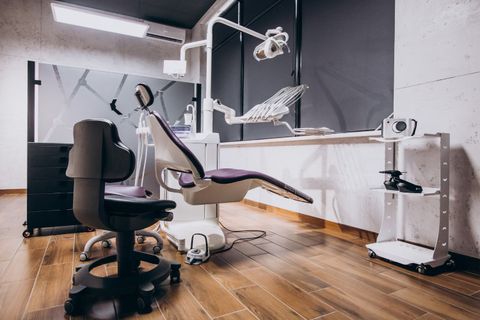
Explore Modern Hospital Dental Chairs and Equipment: A Complete Guide to Uses, Features, and Fact
Updated: October 09, 2026
Read More