Guide to Essential Nutrition: Overview, Explanation, Knowledge, and Healthy Eating Tips
Essential nutrition refers to the nutrients the human body needs to support normal growth, energy production, tissue maintenance, and everyday functions. These nutrients include carbohydrates, proteins, fats, vitamins, minerals, and water. A balanced diet provides them in suitable amounts through a variety of foods.
Understanding Essential Nutrition
Nutrition needs vary according to age, activity level, health status, cultural food preferences, and individual circumstances. For example, an active athlete may need more energy and protein than someone with a less active routine. Children, older adults, and pregnant individuals may also have different nutritional requirements.
Understanding essential nutrition helps people make informed decisions about everyday meals. Rather than following restrictive food trends, a practical approach focuses on variety, moderation, food quality, and consistent eating habits.
Personalized nutrition plans apply these principles to individual circumstances. They may consider daily schedules, dietary preferences, physical activity, food availability, and specific nutritional goals. The aim is to organize eating habits in a realistic way rather than promise a particular health outcome.
Why Nutrition Matters Today
Nutrition influences many aspects of everyday life, including energy levels, growth, muscle maintenance, bone health, and normal immune function. Eating patterns also contribute to long-term health outcomes. Diets that regularly include vegetables, fruits, whole grains, pulses, nuts, and suitable protein sources can help people meet their nutritional requirements.
Several common challenges make balanced eating difficult:
Busy schedules: Limited preparation time can encourage frequent reliance on packaged meals or foods high in salt, sugar, and saturated fat.
Conflicting information: Social media may promote restrictive diets or unsupported claims about individual foods.
Changing nutritional needs: Age, physical activity, pregnancy, and certain medical conditions can influence dietary requirements.
Athletic demands: Training and recovery require appropriate energy, hydration, and nutrient intake.
Budget and food availability: Seasonal produce, local staples, and household circumstances affect meal choices.
A professional diet planner may help translate general dietary guidance into practical meal routines. Similarly, a certified nutrition coach may provide education about food choices, habit development, and meal organization, depending on their qualifications and permitted scope of practice.
People managing medical conditions should seek guidance from appropriately qualified healthcare professionals. Nutrition education is useful, but it does not replace diagnosis, treatment, or individualized medical advice.
How to Create a Balanced Diet Plan
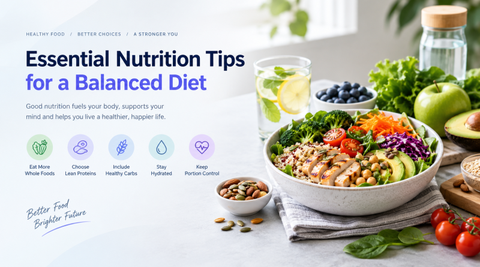
Learning how to create a balanced diet plan begins with understanding the major food groups and including a variety of foods throughout the day.
A useful starting point is the balanced-plate approach:
Fill approximately half the plate with vegetables and fruit.
Include a protein source, such as beans, lentils, eggs, fish, dairy products, tofu, or lean meat.
Include whole grains or other suitable carbohydrate sources, such as oats, brown rice, or whole-wheat roti.
Use moderate amounts of unsaturated fats from foods such as nuts, seeds, and appropriate cooking oils.
Drink water regularly and adjust fluid intake according to activity, climate, and individual needs.
These proportions are a general planning guide, not a universal prescription. Actual portions depend on energy requirements, food traditions, age, activity, and health circumstances.
| Nutrient | Main role | Common food sources |
|---|---|---|
| Carbohydrates | Provide energy | Whole grains, fruits, potatoes, pulses |
| Protein | Supports tissue growth and repair | Eggs, dairy, beans, fish, tofu |
| Healthy fats | Support cell function and nutrient absorption | Nuts, seeds, vegetable oils |
| Vitamins | Support normal body processes | Fruits, vegetables, varied whole foods |
| Minerals | Support bones, blood, nerves, and muscles | Dairy, pulses, leafy greens, nuts |
| Water | Supports hydration and body functions | Drinking water, soups, water-rich foods |
A practical weekly plan can include different vegetables, seasonal fruits, varied protein sources, and whole grains. Repeating convenient meals is reasonable when the overall diet remains varied and nutritionally appropriate.
Personalized Nutrition Plans and Nutritional Assessment
Personalized nutrition plans organize food choices around a person's circumstances rather than relying on a single diet template. Planning may include meal timing, portion guidance, cultural preferences, activity levels, and nutritional priorities.
A nutritional assessment may review:
Typical meals, snacks, and beverages.
Food preferences, allergies, and dietary restrictions.
Physical activity and daily routines.
Relevant medical history and prescribed dietary requirements.
Changes in appetite, weight, or energy that warrant professional evaluation.
Laboratory tests may be appropriate in specific clinical circumstances, but not everyone needs extensive testing to plan a balanced diet. Any test should have a clear clinical purpose and be interpreted by a qualified professional.
An online diet planning consultation can make it easier to discuss food routines remotely. Depending on the professional and the format, it may involve a dietary history, goal discussion, meal-planning guidance, and follow-up appointments. People should check the provider's qualifications, privacy practices, and the limits of remote guidance.
Nutrition counseling online can support practical changes, but advice should reflect the person's needs and available evidence. Be cautious of programs that promise guaranteed weight changes, claim to cure diseases through diet alone, or recommend unnecessary supplements without a sound rationale.
Nutrition for Athletes and Active Individuals
Athletes and regularly active people may need a different balance of energy, carbohydrates, protein, and fluids depending on their sport, training intensity, duration, and recovery schedule.
A nutritionist for athletes may help organize meals around training and competition. Appropriate qualifications vary by country, so it is important to check professional credentials and relevant experience.
General considerations include:
Eating enough to support training and normal daily activity.
Including carbohydrate-rich foods to support sustained or intense exercise.
Spreading protein sources across meals and snacks.
Drinking fluids regularly and considering individual sweat losses during prolonged activity.
Allowing adequate recovery time and eating varied, nutrient-rich foods.
Specialized diets and supplements are not automatically necessary for every athlete. People undertaking intensive training, managing a medical condition, or experiencing persistent fatigue should seek individualized guidance from qualified professionals.
Recent Nutrition Developments and Trends
Nutrition research continues to examine how dietary patterns, food environments, and individual circumstances affect health. Several developments are relevant to everyday nutrition planning in 2025 and 2026.
Personalized dietary guidance: Digital food diaries, activity trackers, and nutrition applications increasingly support meal logging and pattern recognition. These tools can make records easier to review, but their estimates may be inaccurate and should not be treated as clinical measurements.
Growing attention to fiber and whole foods: Public health guidance continues to emphasize dietary variety, vegetables, fruits, pulses, and whole grains. These foods provide fiber and a range of nutrients that may be missing from highly restricted eating patterns.
Interest in gut health: Research continues to explore the relationship between dietary fiber, gut microorganisms, and health. Eating varied plant foods can support fiber intake, although individual responses differ and many commercial gut-health claims need stronger evidence.
Digital nutrition support: Online consultations and remote coaching allow some people to discuss eating habits without attending in person. The quality of guidance depends on professional competence, assessment methods, privacy safeguards, and whether the advice is evidence-based.
These are ongoing developments rather than guarantees of improved health. Specific announcements and guidelines can change, so readers should consult official health authorities for the latest dated recommendations.
Laws, Policies, and Nutrition Guidance in India
In India, nutrition is influenced by public health guidance, food safety rules, labeling requirements, and government nutrition programs.
The following frameworks are relevant to understanding food choices and nutrition information:
Food Safety and Standards Authority of India (FSSAI): Establishes food safety standards and applicable labeling requirements. Packaged-food labels can help consumers review ingredients, nutrition information, and allergen declarations.
National Health Mission (NHM): Supports public health initiatives, including maternal and child health activities that may incorporate nutrition education.
POSHAN Abhiyaan and related nutrition initiatives: Focus on improving nutrition awareness and outcomes, particularly among women, children, and other priority groups.
National dietary guidance: The Indian Council of Medical Research (ICMR) and the National Institute of Nutrition (NIN) publish scientific guidance on healthy dietary patterns and nutritional requirements.
Rules and program details may be updated over time. Readers should consult official government publications to confirm current eligibility, implementation, and requirements.
Nutrition professionals should also represent their qualifications accurately and avoid unsupported health claims. Online consultations involving personal information should explain relevant privacy practices. Medical nutrition advice must be appropriate to the professional's training and the person's clinical needs.
Tools and Resources for Healthy Eating
Several resources can help people understand food choices, organize meals, and review nutrition information.
ICMR–National Institute of Nutrition: Consult official Indian dietary guidance and nutrition publications.
FSSAI: Review food safety information and applicable packaged-food labeling guidance.
Dietary food diary: Record meals, snacks, beverages, and approximate portions to identify eating patterns.
Weekly meal planner: Organize meals around available ingredients, schedules, preferences, and household needs.
Nutrition label checklist: Compare serving sizes, energy, protein, fiber, added sugar where declared, sodium, and relevant allergens.
Activity and hydration log: Track exercise routines and fluid habits, while recognizing that individual requirements vary.
Qualified nutrition professional: Consider a registered dietitian or another appropriately qualified practitioner when individualized assessment is needed.
A simple weekly planning template can include the following:
| Planning category | Example |
|---|---|
| Breakfast | Oats, milk or a suitable alternative, and fruit |
| Lunch | Roti or rice, dal, vegetables, and curd if suitable |
| Snack | Fruit, nuts, or another convenient option |
| Dinner | Vegetables with a protein source and whole grains |
| Weekly review | Check variety, meal timing, preferences, and practicality |
This sample is illustrative, not a complete prescription for every person's nutritional needs. Portions and ingredients should be adjusted for individual requirements, allergies, dietary restrictions, and medical advice.
Frequently Asked Questions
1. What is essential nutrition?
Essential nutrition means obtaining the nutrients and fluids needed for normal body functions, growth, energy, and tissue maintenance. A varied diet generally helps provide these nutrients.
2. How do I start creating a balanced diet plan?
Begin by reviewing your usual meals, adding variety across food groups, including suitable protein sources, and choosing fiber-rich foods regularly. Adjust portions to your activity, appetite, and individual requirements.
3. Are personalized nutrition plans necessary for everyone?
No. Many people can begin with general dietary guidance. Individualized planning may be helpful when nutritional needs are specific, routines are difficult to manage, or a healthcare professional recommends assessment.
4. What should I check before choosing an online nutrition professional?
Review qualifications, relevant experience, the scope of practice, privacy procedures, and how recommendations are developed. Avoid unsupported guarantees, pressure to purchase unnecessary supplements, or claims that diet alone cures disease.
5. Can athletes follow the same diet as everyone else?
Athletes share many basic nutrition principles with the general population, but their energy, carbohydrate, protein, and hydration needs may differ. Training demands and individual circumstances determine whether specialized guidance is appropriate.
Conclusion
Essential nutrition starts with varied foods, practical meal planning, appropriate hydration, and an understanding of individual needs. Personalized nutrition plans, nutritional assessment, and online nutrition counseling can help some people organize their eating habits, while general dietary guidance remains a useful starting point for many households.
Reliable decisions depend on evidence, realistic expectations, and qualified guidance when needed. By using official nutrition resources, checking food labels, and building sustainable routines, individuals can develop a balanced approach to eating without relying on restrictive trends or exaggerated health claims.
Informational disclaimer: This article provides general educational information and is not a substitute for medical advice, diagnosis, or treatment. Any quoted fees or package estimates for consultations or nutrition programs, if added by a provider, should be treated as illustrative and subject to change according to location, qualifications, duration, and the scope of the consultation.

Related Post...


Guide to Essential Nutrition: Overview, Explanation, Knowledge, and Healthy Eating Tips
Updated: October 14, 2026
Read More