Impound Cars Explained: Learn the Process, Legal Insight, and Essential Details
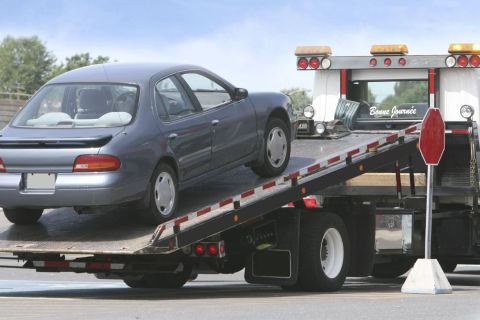
An impounded car is a vehicle temporarily taken into the custody of an authorised government authority, police department, transport department, or another legally empowered organisation. Vehicle impoundment generally occurs when a vehicle is connected with a traffic violation, regulatory breach, investigation, or another legal matter.
Understanding Impounded Cars and Why Vehicles Are Seized
The process exists to maintain road safety, enforce transportation regulations, preserve evidence, and ensure that vehicles are operated according to applicable laws. Depending on the circumstances, a vehicle may be moved to an authorised impoundment facility, police station, or designated storage location.
Vehicle impoundment and vehicle repossession are two different legal situations. Impoundment generally involves government or law-enforcement action, whereas repossession usually involves a lender recovering a vehicle under applicable financing and contractual arrangements.
Common Reasons for Vehicle Impoundment
A vehicle may be detained or seized for several reasons, depending on the applicable legislation and circumstances.
Registration violations: Operating a vehicle without valid registration or in circumstances prohibited by motor vehicle regulations.
Driving licence violations: Using a vehicle in violation of applicable driving licence requirements.
Permit violations: Operating a commercial or transport vehicle without the necessary permit or contrary to permit conditions.
Traffic and parking violations: Certain serious violations or unauthorised parking situations can result in towing or detention under applicable local rules.
Criminal investigations: Vehicles suspected of being involved in an offence may be seized as evidence.
Environmental regulations: Certain vehicles may face detention or restrictions under applicable pollution-control and vehicle-age regulations.
Outstanding legal matters: A vehicle may be subject to a court order or another lawful direction affecting its possession.
The exact reason should be recorded in the relevant seizure memo, towing record, challan, or other official documentation.
Difference Between Impoundment and Repossession
| Particular | Vehicle impoundment | Vehicle repossession |
|---|---|---|
| Main authority | Police or authorised government authority | Lender or authorised recovery representative |
| Common reason | Legal or regulatory violation | Loan repayment default |
| Governing framework | Motor vehicle and criminal laws | Contract, applicable financial regulations and laws |
| Release procedure | Authority or court approval, as applicable | Resolution under the loan agreement and applicable law |
| Main documentation | Seizure record and release order | Loan and repossession documentation |
Understanding this distinction is important when seeking vehicle impound legal assistance or researching auto repossession legal assistance.
Why Vehicle Impoundment Matters Today
Vehicle impoundment affects private vehicle owners, commercial drivers, transport operators, fleet managers, insurance companies, and people involved in road-related investigations.
As urban transportation increases, authorities use vehicle detention and towing procedures to address road safety concerns, unauthorised parking, regulatory violations, and other legal issues.
Problems Addressed Through Vehicle Impoundment
Road safety: Removing vehicles involved in certain serious violations can help prevent continued unlawful operation and reduce potential road hazards.
Regulatory compliance: Impoundment can encourage compliance with registration, licensing, insurance, and commercial permit requirements.
Evidence preservation: When a vehicle is connected with an investigation, its custody may help preserve relevant physical evidence.
Traffic management: Removing unauthorised or obstructively parked vehicles can improve traffic movement and access to public spaces.
Environmental protection: Enforcement measures may restrict certain vehicles that do not meet applicable environmental requirements.
How to Retrieve an Impounded Car
Understanding the impound car release process can help vehicle owners organise the required documentation and communicate with the appropriate authority.
The procedure differs depending on whether the vehicle was towed for a parking violation, detained under motor vehicle legislation, or seized as part of a criminal investigation.
A general retrieval process includes:
Identify the vehicle location: Contact the relevant police station, traffic department, transport authority, or impoundment facility.
Understand the reason: Obtain the challan, seizure memo, towing record, or other available written explanation.
Collect relevant documents: Prepare the registration certificate (RC), driving licence, identity proof, insurance documents, and any other requested records.
Check outstanding requirements: Confirm whether a traffic penalty, towing charge, court direction, or regulatory compliance requirement applies.
Submit a release application: Follow the procedure prescribed by the authority responsible for the vehicle.
Obtain the release approval: Some situations require an authorised officer's order, while others require a court order.
Inspect the vehicle: Check its physical condition and record any visible damage before taking possession.
Not every impounded vehicle follows the same procedure. A vehicle connected with a criminal investigation may require judicial permission even when ordinary traffic impoundment cases can be handled administratively.
Documents Commonly Required
Vehicle registration certificate.
Valid insurance documentation.
Driving licence, where relevant.
Government-issued identity proof.
Seizure or impoundment receipt.
Applicable challan or penalty records.
Ownership authorisation if someone else is collecting the vehicle.
Court or authority release order, when required.
The competent authority determines the actual documentation requirements.
Recent Developments and Trends in Vehicle Impoundment
During 2025 and 2026, vehicle enforcement and legal procedures in India continued to involve digital records, online traffic platforms, pollution-related restrictions, and judicial oversight of seized property.
Judicial Attention to Seized Vehicles in February 2025
On 6 February 2025, the Supreme Court addressed concerns about vehicles and other seized property remaining unattended in police custody. The proceedings highlighted the importance of timely judicial consideration of applications for interim custody and appropriate safeguards to ensure that vehicles can be returned when legally permissible.
This issue matters because prolonged outdoor storage can expose vehicles to deterioration, weather damage, and declining condition. However, release remains subject to the circumstances of the case and applicable judicial directions.
Digital Traffic Enforcement During 2025–2026
Traffic authorities increasingly use digital challans, online payment facilities, electronic records, and vehicle-status information to support enforcement procedures.
These systems can help vehicle owners identify pending traffic matters and obtain information about certain towed or impounded vehicles.
Pollution-Related Vehicle Enforcement in Delhi
Delhi continued to enforce air-pollution measures during 2026. On 3 November 2026, Delhi Traffic Police published an advisory concerning GRAP Stage II enforcement, highlighting valid Pollution Under Control (PUC) documentation and compliance with emission requirements.
Such enforcement measures can affect vehicle operation and regulatory action during periods of elevated pollution.
These developments do not establish a universal new impoundment rule. The applicable restrictions depend on the specific notification, location, vehicle category, and legal circumstances.
Laws, Policies, and Legal Rights Related to Impounded Cars in India
Vehicle impoundment in India is governed by central motor vehicle legislation, criminal procedure laws, state regulations, and applicable court directions. The legal process depends on the reason for detention and the authority responsible for the vehicle.
Motor Vehicles Act, 1988
The Motor Vehicles Act, 1988, provides important provisions relating to vehicle registration, driving licences, permits, road safety, and enforcement.
Section 207 – Power to Detain Vehicles
Section 207 allows authorised police officers or persons to seize and detain vehicles in specified circumstances, including certain violations involving driving licences, registration, and transport permits.
The vehicle owner or person in charge can apply to the authorised transport authority for release by submitting relevant documents. The authority may release the vehicle after verification, subject to applicable conditions.
Section 127 – Removal of Abandoned Vehicles
This provision addresses the removal of motor vehicles abandoned or left unattended in public places under the circumstances prescribed by law.
Bharatiya Nagarik Suraksha Sanhita (BNSS), 2023
The BNSS came into effect on 1 July 2024 and replaced the Code of Criminal Procedure, 1973.
Its provisions concerning the custody and disposal of property are particularly relevant when a vehicle is seized during a criminal investigation.
Section 497: Addresses orders for the custody and disposal of property pending an inquiry or trial.
Section 503: Addresses procedures following police seizure of property that is reported to a Magistrate but is not produced before a criminal court.
Depending on the circumstances, a vehicle owner may approach the appropriate court for interim custody.
Supreme Court Guidance on Vehicle Release
In Bishwajit Dey v. State of Assam, decided on 7 January 2025, the Supreme Court considered the interim release of a vehicle seized in an NDPS investigation.
The judgment recognised that courts can consider interim vehicle release in appropriate circumstances, subject to legal requirements and safeguards such as documentation, photographs, and conditions protecting the evidence.
This decision does not guarantee release in every case. The facts, applicable legislation, and court's assessment remain important.
Delhi-Specific Impoundment Rules
Delhi has additional traffic and transport procedures covering towing, vehicle custody, and release.
Delhi Traffic Police provides an online facility to check towed or impounded vehicles. Its published guidance also identifies applicable towing and custody charges and explains how vehicle owners can contact the relevant traffic authorities.
Other states may follow different procedures and fee schedules. Vehicle owners should consult the relevant state transport department or police authority.
Important: Laws and procedures may change through amendments, notifications, and judicial decisions. Anyone facing a vehicle seizure should verify the current requirements with the appropriate authority or a qualified legal professional.
Tools and Resources for Vehicle Owners
Digital platforms and organised documentation can help people understand an impoundment record, track legal proceedings, and prepare an application for vehicle release.
Useful Government Websites and Applications
| Resource | Main purpose |
|---|---|
| Parivahan Portal | Vehicle registration and transport-related information |
| mParivahan App | Digital access to selected vehicle and driving licence records |
| DigiLocker | Access to eligible digital vehicle documents |
| eChallan Portal | Check and review traffic challan records |
| Delhi Traffic Police | Check certain towed or impounded vehicles |
| eCourts Services | Access available case information and court updates |
| India Code | Read central legislation and statutory provisions |
These platforms provide different types of information. An online record does not replace an official release order where one is required.
Preparing a Vehicle Release Application
A vehicle owner can organise the following information before approaching the relevant authority:
Full name and contact details of the registered owner.
Vehicle registration number and identification details.
Date and location of impoundment.
Police station or impoundment facility details.
Reference number of the seizure memo or challan.
Reason for requesting vehicle release.
Copies of relevant ownership and vehicle documents.
Supporting court orders or other legal records, where applicable.
Keep copies of submitted applications, acknowledgements, receipts, and official communications.
Vehicle Impound Legal Assistance and Legal Advice
Some cases involve more complicated legal questions than ordinary traffic violations. For example, a vehicle may be seized during a criminal investigation, connected with disputed ownership, or involved in a disagreement between a lender and borrower.
A vehicle impound attorney or qualified legal professional can help explain:
Whether the seizure appears to follow the applicable legal procedure.
Which authority or court has jurisdiction over the release application.
How to prepare for a vehicle impound hearing.
Whether interim custody may be requested.
What documentation may support a release application.
How to understand vehicle seizure laws and regulations.
Legal assistance may be particularly relevant when the vehicle owner disputes the grounds of seizure or when the vehicle remains detained during an extended investigation.
Understanding Impounded Vehicle Insurance Claims
Insurance coverage for an impounded vehicle depends on the policy wording, circumstances of the seizure, and nature of any damage.
Owners should distinguish between damage occurring during ordinary storage, damage resulting from an accident, and losses associated with an excluded event.
For an insurance-related matter:
Review the policy's exclusions and claim conditions.
Record the vehicle's condition before and after release, where possible.
Preserve photographs, inspection reports, and official custody documents.
Inform the insurer promptly when a potentially covered incident occurs.
Follow the insurer's prescribed notification and documentation process.
Impoundment itself does not automatically establish entitlement to an insurance payment.
Frequently Asked Questions About Impounded Cars
1. How can I find out where my impounded car is located?
Contact the police station, traffic department, or relevant transport authority associated with the location of the incident. In Delhi, the Traffic Police website also provides a facility to check towed or impounded vehicles.
2. How to retrieve an impounded car in India?
First identify the authority holding the vehicle and obtain the reason for impoundment. Prepare the required registration and identity documents, address outstanding legal requirements, and submit the appropriate release application. A court order may be necessary in criminal investigation cases.
3. Can an impounded vehicle be released before a court case ends?
In certain circumstances, yes. A competent court may grant interim custody subject to applicable laws and conditions. The decision depends on the nature of the case, ownership evidence, and whether the vehicle is required as evidence.
4. What happens if someone believes a vehicle was seized unlawfully?
The owner can request the official grounds and relevant records of seizure. Depending on the circumstances, the matter may be raised before the competent authority or court. A qualified vehicle impound attorney can explain the available legal remedies.
5. Does vehicle insurance cover an impounded car?
There is no universal answer. Coverage depends on the insurance policy, the reason for impoundment, the nature of the damage, and applicable exclusions. Owners should review their policy and communicate with their insurer regarding any potential claim.
Conclusion
Vehicle impoundment is an important part of road regulation, public safety, and legal enforcement. However, the process can involve different authorities and procedures depending on whether a vehicle was towed for a traffic violation, detained under motor vehicle legislation, or seized during a criminal investigation.
Understanding the impound car release process, vehicle seizure laws and regulations, documentation requirements, and available legal remedies can help vehicle owners make informed decisions.
Government portals, official records, insurance documents, and appropriate legal guidance can provide useful information throughout the process. The most important steps are to identify the legal reason for detention, follow the correct release procedure, preserve relevant documents, and understand the rights and responsibilities applicable to the particular case.
Informational Disclaimer: This article provides general educational information about vehicle impoundment in India. It is not a substitute for individual legal advice. Procedures, penalties, towing charges, storage charges, and other financial requirements vary according to the applicable laws, state regulations, authority, and circumstances. Any monetary figures or estimates should be verified through official government notifications or written documentation.

Related Post...

Impound Cars Explained: Learn the Process, Legal Insight, and Essential Details
Updated: November 18, 2026
Read More
Explore Thoughtful Gifting: A Guide to Gift Ideas, Tips, and Helpful Insights for Every Occasion
Updated: November 04, 2026
Read More