MBA Program Explained: Learn Specializations, Admission Requirement, Career Opportunities, and Industry Knowledge
A Master of Business Administration (MBA) is a graduate-level degree designed to develop knowledge and skills related to business management, leadership, finance, marketing, operations, and strategic decision-making. MBA programs were created to help professionals understand how organizations function and how business challenges can be addressed through analytical and managerial approaches.
Understanding MBA Programs
The modern MBA evolved during the twentieth century as industries became more complex and organizations required leaders with a broader understanding of business operations. Today, MBA education is offered in multiple formats, including online MBA programs, executive MBA programs, part time MBA programs, and global MBA programs, allowing learners from different backgrounds to pursue advanced business studies.
MBA curricula typically combine theoretical concepts with practical applications, helping students understand real-world business environments and organizational challenges.
Why MBA Programs Matter Today
Business organizations operate in an increasingly global and technology-driven environment. Companies, public institutions, startups, and nonprofit organizations all require individuals who can analyze information, manage resources, and make informed decisions.
MBA education is relevant to:
- Business professionals
- Entrepreneurs
- Managers and team leaders
- Financial analysts
- Marketing specialists
- Operations professionals
- Consultants
- Public sector administrators
MBA programs help address challenges such as:
- Strategic planning
- Organizational leadership
- Financial management
- Digital transformation
- International business expansion
- Project management
- Data-driven decision making
As industries continue to evolve, knowledge gained through accredited online MBA pathways and traditional MBA programs can help professionals understand changing business environments and emerging management practices.
Types of MBA Programs
MBA programs are available in several formats to accommodate different educational and professional needs.
| MBA Type | Description |
|---|---|
| Full-Time MBA | Traditional intensive graduate business education |
| Part-Time MBA | Flexible format designed for working professionals |
| Executive MBA (EMBA) | Designed for experienced managers and executives |
| Online MBA | Delivered primarily through digital learning platforms |
| Global MBA | Focuses on international business and global markets |
| Specialized MBA | Concentrates on a specific business discipline |
| Hybrid MBA | Combines online and in-person learning |
Common MBA specializations include:
- Finance
- Marketing
- Human Resources
- Business Analytics
- International Business
- Operations Management
- Entrepreneurship
- Supply Chain Management
- Healthcare Management
- Information Technology Management
Many students exploring MBA degree online options select specializations that align with their academic interests and professional goals.
Benefits and Applications of MBA Education
MBA programs provide a broad understanding of business functions while also allowing learners to develop specialized knowledge.
Leadership Development
MBA coursework often includes leadership theory, organizational behavior, communication strategies, and team management concepts.
Strategic Thinking
Students learn frameworks for evaluating business opportunities, risks, and long-term organizational objectives.
Financial Literacy
Business education frequently covers accounting, corporate finance, budgeting, investment analysis, and financial planning.
Analytical Skills
MBA programs emphasize data interpretation, problem-solving, and evidence-based decision-making.
Global Business Knowledge
Many global MBA programs include topics related to international trade, cross-cultural management, and global economic trends.
Industry Applications
MBA knowledge may be applied across sectors such as:
- Technology
- Healthcare
- Manufacturing
- Financial Services
- Retail
- Education
- Government
- Nonprofit Organizations
MBA Admission Requirements
Admission standards vary among institutions, but many programs evaluate several common factors.
| Requirement | Typical Purpose |
| Bachelor's Degree | Demonstrates prior academic preparation |
| Academic Transcripts | Reviews educational performance |
| Resume or CV | Documents professional experience |
| Personal Statement | Explains educational objectives |
| Letters of Recommendation | Provides professional or academic references |
| English Language Proficiency | May apply to international applicants |
| Interview | Assesses communication and motivation |
Some institutions may consider standardized examinations, while others have adopted alternative evaluation approaches in recent years.
Applicants often use MBA admission consulting resources to better understand application requirements, documentation expectations, and program selection criteria.
Leading MBA Program Providers
Many universities worldwide are recognized for business education and research.
| Institution | Country |
| Harvard Business School | United States |
| Stanford Graduate School of Business | United States |
| The Wharton School | United States |
| London Business School | United Kingdom |
| INSEAD | France and Singapore |
Educational rankings and institutional reputations may change over time based on methodology, research output, faculty expertise, and student outcomes.
Recent Updates and Trends
The MBA landscape has continued evolving during the past year.
Growth of Digital Learning (2025–2026)
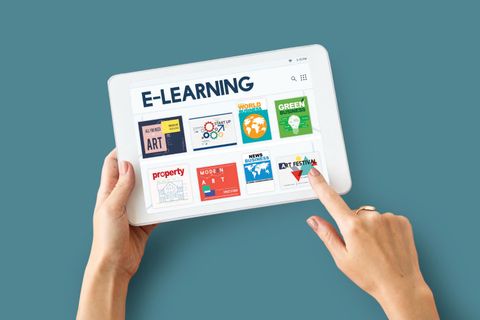
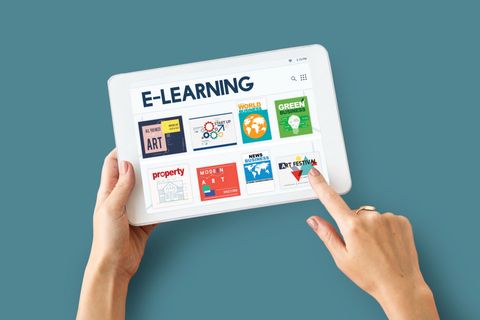
Universities have expanded digital learning capabilities, increasing accessibility for students pursuing online MBA programs and hybrid learning models.
Increased Focus on Artificial Intelligence
Throughout 2025 and early 2026, many business schools introduced coursework related to artificial intelligence, machine learning applications, automation, and digital strategy.
Business Analytics Expansion
Programs increasingly emphasize data analytics, predictive modeling, and decision science as organizations rely more heavily on data-driven management.
Sustainability and ESG Education
Environmental, Social, and Governance (ESG) topics have become more prominent in MBA curricula, reflecting growing interest in sustainable business practices.
Flexible Learning Structures
Many institutions continue expanding options for part time MBA programs and modular learning formats that accommodate working professionals.
MBA Program Trends Overview
| Trend | Current Importance |
| Artificial Intelligence | Very High |
| Business Analytics | Very High |
| Digital Transformation | High |
| Sustainability Education | High |
| Online Learning | High |
| Global Business Studies | Medium to High |
Illustrative Trend Chart
Artificial Intelligence   ██████████
Business Analytics        ██████████
Digital Transformation    █████████
Online Learning           █████████
Sustainability            ████████
Global Business           ███████
This chart is educational and intended to illustrate general industry observations rather than exact measurements.
Laws, Policies, and Educational Regulations
MBA programs are influenced by educational regulations and accreditation frameworks.
Accreditation Standards
Many countries maintain accreditation systems that assess institutional quality, faculty qualifications, curriculum standards, and academic governance.
Higher Education Regulations
Universities must comply with national education laws governing degree authorization, quality assurance, and student protections.
International Student Policies
Global MBA participants may be affected by immigration regulations, visa requirements, and international education frameworks.
Data Privacy Compliance
Online learning platforms often operate under data protection regulations designed to safeguard student information.
Government Education Initiatives
Some countries support higher education through scholarship programs, research initiatives, and professional development frameworks.
Individuals researching MBA scholarships should consult official educational authorities and university websites for the most current information regarding eligibility requirements and application procedures.
Tools and Resources for MBA Research
A variety of resources can help prospective students learn about MBA education.
Educational Research Platforms
- University program directories
- Accreditation databases
- Graduate education portals
- Business school comparison tools
Useful Digital Tools
- Admission planning templates
- Academic calendar trackers
- Statement-of-purpose outlines
- Study scheduling applications
- Financial planning calculators
Learning Resources
- Business case studies
- Academic journals
- Industry reports
- Leadership development materials
- Business analytics platforms
Professional Networks
- Alumni associations
- Industry conferences
- Professional organizations
- Management development communities
Frequently Asked Questions
What is an MBA degree?
An MBA is a graduate-level business degree that focuses on management, leadership, finance, marketing, operations, and strategic decision-making.
What are online MBA programs?
Online MBA programs deliver coursework through digital learning platforms, allowing students to participate remotely while completing degree requirements.
How do executive MBA programs differ from traditional MBA programs?
Executive MBA programs are generally designed for experienced professionals and often feature flexible schedules that accommodate ongoing professional responsibilities.
What is an accredited online MBA?
An accredited online MBA is offered by an institution that has undergone evaluation by recognized accreditation bodies to verify academic quality standards.
What are common MBA specializations?
Popular specializations include finance, marketing, business analytics, entrepreneurship, international business, human resources, and operations management.
Conclusion
MBA programs continue to play an important role in modern business education by helping learners understand leadership, strategy, finance, marketing, and organizational management. Whether pursuing online MBA programs, executive MBA programs, part time MBA programs, or global MBA programs, students can gain exposure to a broad range of business concepts and industry practices.
As business environments become increasingly influenced by technology, analytics, sustainability, and globalization, MBA education continues to evolve to reflect these developments. Understanding admission requirements, specialization options, accreditation standards, and emerging trends can help prospective students make informed educational decisions and better navigate the changing landscape of business management.
Informational Disclaimer: References to tuition, program structures, scholarships, educational pathways, rankings, or institutional features are general educational information only. Program details, eligibility criteria, academic requirements, and financial arrangements vary by institution and may change over time. Consult official university resources and accredited educational authorities for current information.

Related Post...