Semiconductor Manufacturing and Chip Fabrication Overview: Learn Process Steps, Industry Facts, Technology Details, and Helpful Resources
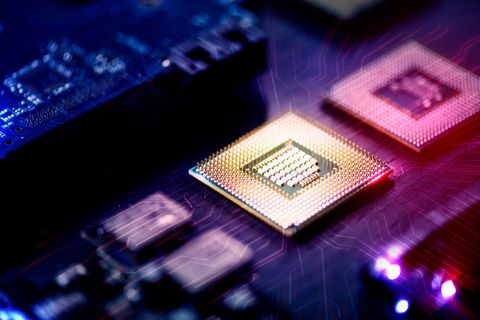
Semiconductor manufacturing is the highly specialized process used to produce electronic components known as semiconductor chips or integrated circuits. These chips act as the foundation of modern electronics by controlling, processing, storing, and transmitting information within devices.
Understanding Semiconductor Manufacturing and Why It Exists
The semiconductor manufacturing industry emerged to support the growing need for smaller, faster, and more efficient electronic systems. Today, semiconductor chips are present in smartphones, computers, automobiles, industrial equipment, medical devices, communication systems, and consumer electronics.
The chip fabrication process involves transforming raw semiconductor materials, primarily silicon, into complex integrated circuits containing billions of microscopic transistors. The wafer fabrication process requires precision engineering, advanced cleanroom environments, and sophisticated manufacturing technologies to ensure reliable performance.
Integrated circuit manufacturing combines materials science, electrical engineering, chemistry, and nanotechnology to produce the components that power the digital economy.
Why Semiconductor Manufacturing Matters Today
Semiconductor manufacturing has become one of the world's most strategically important industries. As digital technologies continue to expand, demand for advanced chips continues to grow across nearly every economic sector.
Several factors explain the industry's importance:
- Increasing adoption of artificial intelligence technologies
- Expansion of cloud computing infrastructure
- Growth in electric and connected vehicles
- Rising use of Internet of Things (IoT) devices
- Advancements in telecommunications networks
- Expansion of industrial automation systems
Semiconductors affect a broad range of stakeholders, including consumers, technology companies, automotive manufacturers, healthcare organizations, telecommunications providers, and governments.
The industry addresses several important challenges:
| Challenge | Semiconductor Contribution |
|---|---|
| Data Processing Needs | Enables high-speed computing |
| Energy Efficiency | Supports low-power electronics |
| Connectivity Requirements | Powers communication networks |
| Automation Demands | Enables intelligent machines |
| Digital Transformation | Supports advanced software platforms |
Without semiconductor manufacturing, many modern technologies and digital services would not function efficiently.
Different Types of Semiconductor Manufacturing
The semiconductor industry consists of several specialized manufacturing categories.
Silicon Wafer Manufacturing
Silicon wafer manufacturing begins with highly purified silicon material. The silicon is melted, crystallized, and sliced into thin circular wafers that serve as the substrate for chip production.
These wafers undergo polishing and inspection before entering fabrication facilities.
Wafer Fabrication Process
The wafer fabrication process involves creating microscopic electronic structures on silicon wafers through repeated cycles of deposition, photolithography, etching, doping, and cleaning.
Modern fabrication facilities may perform hundreds of individual process steps before completing a wafer.
Integrated Circuit Manufacturing
Integrated circuit manufacturing focuses on creating complete electronic circuits containing transistors, resistors, capacitors, and interconnections on semiconductor wafers.
Examples include:
- Logic chips
- Memory chips
- Microprocessors
- Analog integrated circuits
- Mixed-signal devices
Semiconductor Packaging
After fabrication, chips are separated from wafers, packaged, and prepared for integration into electronic products.
Packaging protects delicate semiconductor components while enabling electrical connectivity.
Semiconductor Testing
Semiconductor testing equipment evaluates chip functionality, reliability, performance, and electrical characteristics before products enter the supply chain.
Testing occurs during multiple production stages to ensure quality standards.
Benefits and Applications of Semiconductor Manufacturing
Semiconductor manufacturing delivers numerous technological and economic benefits.
Improved Computing Performance
Advances in chip fabrication process technologies enable faster processing speeds and enhanced computational capabilities.
Enhanced Energy Efficiency
Modern semiconductor designs reduce power consumption while maintaining high performance.
Device Miniaturization
Integrated circuit manufacturing allows electronic devices to become smaller, lighter, and more portable.
Increased Reliability
Precision manufacturing and extensive testing improve component durability and operational stability.
Support for Innovation
Semiconductors drive innovation across artificial intelligence, robotics, healthcare, aerospace, and telecommunications.
Common applications include:
- Smartphones and tablets
- Personal computers
- Data centers
- Electric vehicles
- Industrial automation systems
- Medical imaging equipment
- Smart appliances
- Telecommunications infrastructure
The following table illustrates major application sectors.
| Industry Sector | Typical Semiconductor Usage |
| Consumer Electronics | Processors, memory chips |
| Automotive | Sensors, control units |
| Healthcare | Diagnostic equipment |
| Telecommunications | Networking processors |
| Industrial Automation | Embedded systems |
| Aerospace | Navigation electronics |
Top 5 Leading Provider Company Names
Several organizations play significant roles within global semiconductor manufacturing and technology development.
- Taiwan Semiconductor Manufacturing Company
- Intel Corporation
- Samsung Electronics
- NVIDIA Corporation
- ASML Holding
These companies contribute significantly to semiconductor manufacturing, chip design software development, fabrication technologies, and advanced process innovation.
Recent Updates and Industry Trends
The semiconductor industry experienced several important developments during 2025 and early 2026.
Artificial Intelligence Driving Chip Demand
Throughout 2025 and into 2026, demand for AI accelerators and advanced processors continued to expand, influencing semiconductor manufacturing capacity planning worldwide.
Expansion of Advanced Fabrication Facilities
Multiple manufacturers announced or continued investments in new fabrication facilities during 2025 to strengthen regional semiconductor supply chains.
Growth in Advanced Packaging
Advanced packaging technologies, including chiplet architectures and three-dimensional integration, gained increased adoption during 2025.
Focus on Supply Chain Resilience
Governments and industry stakeholders continued emphasizing semiconductor supply chain diversification and domestic manufacturing initiatives.
Progress Toward Smaller Process Nodes
Manufacturers continued research and development efforts focused on increasingly advanced process technologies measured in nanometers.
Laws and Policies Affecting Semiconductor Manufacturing
Semiconductor manufacturing is heavily influenced by national policies, trade regulations, and government initiatives.
Semiconductor Incentive Programs
Many countries have introduced government programs designed to encourage domestic semiconductor manufacturing and research.
Examples include:
- Semiconductor incentive legislation in the United States
- European semiconductor development initiatives
- National semiconductor strategies across Asia-Pacific countries
Export Control Regulations
Governments often regulate exports of advanced semiconductor technologies, manufacturing equipment, and certain chip categories.
Environmental Regulations
Fabrication facilities must comply with environmental standards related to:
- Water consumption
- Chemical management
- Waste treatment
- Air emissions
- Energy efficiency
Intellectual Property Protection
Patent systems and intellectual property laws play a critical role in protecting semiconductor innovations and chip design software technologies.
Workplace and Safety Standards
Semiconductor facilities operate under strict occupational safety regulations governing cleanroom operations and chemical handling procedures.
Tools and Resources for Learning About Semiconductor Manufacturing
Various educational resources and software tools support semiconductor learning and research.
Semiconductor Design Software
Widely recognized semiconductor design software and chip design software platforms include:
- Cadence Design Systems
- Synopsys Electronic Design Automation tools
- Siemens EDA software
- Open-source hardware design environments
Simulation and Modeling Resources
Simulation platforms help engineers model:
- Circuit behavior
- Power consumption
- Thermal performance
- Signal integrity
Educational Resources
Helpful learning resources include:
- University semiconductor courses
- Industry association publications
- Semiconductor research journals
- Technical white papers
- Engineering reference textbooks
Useful Websites and Organizations
| Resource | Purpose |
| Semiconductor Industry Association | Industry information and reports |
| IEEE | Technical publications and standards |
| SEMI | Manufacturing standards and industry resources |
| Educational institutions | Research and training materials |
| National research laboratories | Semiconductor innovation updates |
Frequently Asked Questions
What is semiconductor manufacturing?
Semiconductor manufacturing is the process of producing semiconductor devices and integrated circuits used in electronic equipment.
What materials are commonly used in semiconductor manufacturing?
Silicon remains the most widely used material, although gallium nitride, silicon carbide, and gallium arsenide are also important in specialized applications.
What is the wafer fabrication process?
The wafer fabrication process refers to the series of manufacturing steps used to create electronic circuits on semiconductor wafers through deposition, lithography, etching, and testing.
Why is semiconductor testing important?
Semiconductor testing equipment helps verify functionality, reliability, and performance before chips are incorporated into electronic products.
What is chip design software used for?
Chip design software enables engineers to create, simulate, verify, and optimize integrated circuit designs before fabrication begins.
Conclusion
Semiconductor manufacturing forms the technological foundation of today's digital world. Through sophisticated chip fabrication process techniques, silicon wafer manufacturing, integrated circuit manufacturing, semiconductor testing equipment, and advanced semiconductor design software, the industry continues enabling innovation across countless sectors.
Rapid developments in artificial intelligence, advanced packaging, and next-generation process technologies are expected to shape the industry's future. Understanding semiconductor manufacturing processes, industry trends, regulatory frameworks, and educational resources provides valuable insight into one of the most influential technological fields of the modern era.
Informational Disclaimer: References to semiconductor technologies, manufacturing capabilities, software platforms, or industry initiatives are provided solely for educational purposes.

Related Post...


Solar Panels Guide: Learn Installation Tips, Insights, and Essential Information Guide
Updated: October 23, 2026
Read More