Explore Chunky Wedding and Engagement Rings: A Guide to Design, Styles, and Jewelry Tips
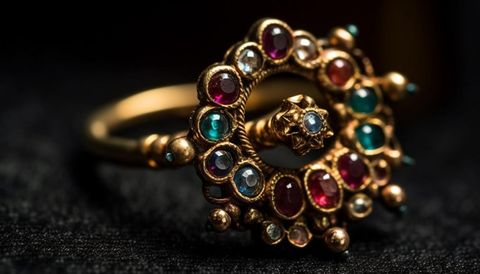
Chunky wedding and engagement rings are jewelry designs characterized by wider bands, substantial settings, bold proportions, and distinctive shapes. Unlike delicate rings with thin bands and small settings, these designs emphasize their structure and overall appearance. They may feature gold, platinum, diamonds, colored gemstones, or combinations of different materials.
Understanding Chunky Wedding and Engagement Rings
The growing interest in chunky engagement rings for women reflects changing preferences in bridal jewelry. Some people prefer traditional solitaire designs, while others appreciate sculptural shapes, oversized stones, textured surfaces, and statement engagement rings that express individual style.
Chunky wedding rings also have a long history. Wide gold bands and substantial gemstone settings have appeared in different jewelry traditions across generations. Contemporary designers reinterpret these familiar forms through modern metalwork, geometric details, and unconventional stone arrangements.
Today, chunky wedding rings for women are available in several styles, including modern gold bridal rings, vintage chunky wedding rings, chunky oval engagement rings, and chunky platinum wedding bands.
What Makes a Ring Chunky?
A chunky ring generally has a wider or thicker appearance than a conventional delicate design. However, there is no universal measurement that officially defines a chunky ring.
Common characteristics include:
Wide bands: More visible metal across the finger.
Thick profiles: A substantial appearance when viewed from the side.
Large gemstones: Prominent diamonds or colored stones.
Sculptural shapes: Curved, asymmetric, or architectural forms.
Decorative details: Engraving, textured finishes, and mixed-metal elements.
Bold settings: Raised, bezel, cluster, or multi-stone arrangements.
The overall design depends on the relationship between band width, metal thickness, gemstone size, and finger proportions.
Popular Materials Used in Chunky Rings
Material selection affects a ring's appearance, durability, maintenance, and overall characteristics.
| Material | Main characteristics | Common applications |
|---|---|---|
| Yellow gold | Warm color and traditional appearance | Thick gold engagement rings |
| White gold | Light-colored precious-metal appearance | Modern bridal designs |
| Rose gold | Pinkish tone | Contemporary and vintage-inspired rings |
| Platinum | Naturally white precious metal | Chunky platinum wedding bands |
| Sterling silver | Bright appearance and regular maintenance needs | Fashion and occasional jewelry |
| Mixed metals | Contrasting colors and finishes | Sculptural and contemporary rings |
Gold purity is commonly expressed in karats. For example, 18-karat gold contains 75% gold, while 14-karat gold contains approximately 58.3% gold. The remaining content consists of other metals used to influence hardness, color, and working properties.
Importance of Chunky Ring Designs in Modern Jewelry
Chunky rings matter because they provide an alternative to traditional narrow bridal bands. Their substantial appearance allows designers to experiment with proportions, gemstones, surface finishes, and metalwork.
These designs also appeal to people who want engagement and wedding rings to reflect personal preferences rather than follow a single established style.
Personal Expression and Individual Style
Bold engagement ring designs can communicate different aesthetic preferences. Some emphasize geometric shapes, while others incorporate organic curves, vintage details, or oversized gemstones.
Examples include:
Minimalist chunky bands with smooth surfaces.
Unique chunky engagement rings with asymmetric settings.
Sculptural engagement rings featuring curved metal structures.
Bold diamond wedding bands with multiple stones.
Modern chunky wedding rings with mixed-metal finishes.
Practical Considerations
A wider ring may distribute its visual weight differently from a narrow band, but width alone does not determine comfort or durability.
Important considerations include:
Finger proportions: Wide bands occupy more finger space and may feel different during everyday activities.
Ring profile: Rounded inner surfaces may improve comfort for some wearers.
Setting height: Raised gemstones can catch on clothing or surrounding objects.
Metal thickness: Adequate structural thickness is important for long-term wear.
Maintenance: Settings, stones, and polished surfaces require appropriate care.
Chunky gold wedding bands may be appropriate for people who prefer a substantial metal appearance without prominent gemstones. Meanwhile, oversized diamond engagement rings place greater visual emphasis on the center stone and its setting.
Engagement Rings and Wedding Bands
Although engagement rings and wedding bands can have similar appearances, they serve different traditional purposes.
An engagement ring commonly features a central gemstone or a distinctive design. A wedding band is traditionally exchanged during a marriage ceremony and may have a simpler or more decorative structure.
Some couples choose matching chunky rings, while others prefer contrasting designs. For example, a chunky oval engagement ring can be paired with a plain gold wedding band or a curved band designed to sit alongside its setting.
Recent Updates and Wedding Jewelry Trends
During 2025 and 2026, bridal jewelry trends have shown increasing interest in substantial gold bands, sculptural settings, antique-inspired gemstones, and personalized engagement ring designs.
Chunky Gold Bands and Bezel Settings
One noticeable development is the renewed interest in thick gold engagement rings with bezel settings. A bezel setting surrounds the gemstone with a metal rim rather than holding it primarily with individual prongs.
This approach creates a defined outline and can provide additional protection around the gemstone's edges, depending on the design.
A January 30, 2026, jewelry industry report from JCK highlighted the growing popularity of wider bands and substantial engagement ring designs.
Sculptural and Artistic Ring Designs
Contemporary designers are exploring shapes inspired by architecture, organic forms, and vintage metalwork.
Emerging design characteristics include:
Irregular and flowing gold surfaces.
Rounded and asymmetric band structures.
Sculptural engagement rings with distinctive profiles.
Textured and brushed metal finishes.
Larger center stones combined with substantial bands.
These styles allow modern chunky wedding rings to combine traditional precious metals with contemporary design ideas.
Antique Diamond Cuts and Personalized Designs
Antique-inspired diamond shapes, including Old Mine and Old European cuts, have received renewed attention. East-west gemstone settings, asymmetrical arrangements, and mixed-metal combinations are also appearing in contemporary bridal jewelry.
Lab-grown diamonds have expanded the range of available gemstone options, while natural diamonds continue to appeal to people who prefer their geological origin and traditional characteristics. Both types require appropriate disclosure and accurate identification.
Laws, Policies, and Jewelry Standards in India
Wedding and engagement rings made from precious metals are affected by quality, hallmarking, consumer protection, and product-description regulations.
In India, the Bureau of Indian Standards (BIS) administers the hallmarking framework for gold and silver jewelry.
Gold Hallmarking Requirements
Gold jewelry covered by mandatory hallmarking requirements in notified areas must comply with applicable BIS standards.
Important details include:
BIS logo: Identifies the official hallmark.
Purity marking: Indicates the gold's caratage and fineness.
HUID: A unique six-digit alphanumeric Hallmark Unique Identification number.
Common gold purity grades include 14K (585), 18K (750), 20K (833), 22K (916), and other permitted grades.
Consumers can use the BIS Care mobile application to verify the HUID details of eligible hallmarked gold jewelry.
Silver and Platinum Jewelry
Silver hallmarking is voluntary under the BIS framework, but silver articles hallmarked under the scheme must follow its applicable identification requirements. Since September 1, 2025, HUID-based marking has applied to hallmarked silver articles.
Platinum jewelry should be assessed using appropriate metal identification, purity documentation, and reliable product descriptions. Gold hallmarking should not be confused with platinum certification.
Consumer Protection and Accurate Descriptions
The Consumer Protection Act, 2019, provides a framework against misleading product representations and unfair trade practices.
When evaluating chunky gold wedding bands or diamond engagement rings, useful documentation includes:
Metal purity and weight.
Diamond or gemstone identification.
Relevant grading reports.
Itemized invoices.
Hallmark and HUID information, where applicable.
Written details of resizing and maintenance conditions.
Applicable requirements may differ according to the metal, product category, and transaction. Consumers should check current BIS notifications and relevant government guidance.
Tools and Resources for Choosing Chunky Rings
Selecting a suitable ring involves comparing dimensions, metal characteristics, gemstone details, and personal preferences. Several digital resources can help with this process.
Helpful Jewelry Tools and Websites
BIS Care App: Helps verify eligible hallmarked gold jewelry through its HUID verification feature.
GIA Website: Provides educational information about diamond grading, the 4Cs, gemstone identification, and jewelry care.
Diamond Size Charts: Help compare the visual dimensions of round, oval, cushion, and other diamond shapes.
Ring Size Calculators: Provide preliminary size measurements using finger circumference or diameter.
Virtual Ring Design Tools: Allow users to explore different metal colors, gemstone shapes, band widths, and settings.
Jewelry Insurance Calculators: Help estimate potential coverage requirements based on documented jewelry valuations.
Jewelry Care Guides: Explain appropriate cleaning, storage, and inspection practices.
Tips for Evaluating Ring Designs
Before finalizing a design, consider the following factors:
Measure band width: Compare different widths to understand how they look and feel on the finger.
Check metal purity: Understand the differences between 14K, 18K, and other gold grades.
Examine gemstone settings: Consider bezel, prong, flush, and cluster settings.
Compare diamond shapes: Oval, round, cushion, and emerald cuts create different visual effects.
Review craftsmanship: Examine symmetry, finishing, stone security, and the inner band surface.
Consider maintenance: Understand cleaning requirements, resizing limitations, and periodic inspection needs.
Informational disclaimer: Jewelry prices and valuation estimates vary according to metal weight, purity, gemstone characteristics, craftsmanship, market conditions, and applicable taxes. Any online calculator or preliminary quotation should be treated as indicative rather than a guaranteed final valuation.
Frequently Asked Questions
What are chunky engagement rings for women?
These are engagement rings characterized by wider bands, thicker metal profiles, prominent gemstones, or distinctive sculptural settings. They are available in gold, platinum, and other jewelry materials.
Are chunky wedding rings comfortable for everyday wear?
They can be comfortable when properly fitted and designed. Band width, inner profile, finger shape, and setting height all influence comfort. Trying different widths can help determine personal preferences.
Which metal is suitable for chunky wedding rings?
Gold and platinum are commonly used. Gold is available in different purity grades and colors, while platinum has a naturally white appearance and substantial density. The appropriate choice depends on design preferences, maintenance, and individual requirements.
What is the difference between a bezel and a prong setting?
A bezel setting surrounds the gemstone with a metal rim. A prong setting uses small metal projections to hold the stone. Bezel settings can protect gemstone edges, while prong settings expose more of the stone.
How should chunky gold wedding bands be maintained?
Clean them according to the metal and gemstone manufacturer's recommendations. Avoid harsh chemicals, store jewelry separately to reduce scratches, and arrange periodic professional inspections of settings and worn areas.
Conclusion
Chunky wedding and engagement rings represent a distinctive approach to bridal jewelry, combining substantial proportions with creative metalwork and gemstone arrangements. From thick gold engagement rings and bold diamond wedding bands to vintage chunky wedding rings and sculptural engagement rings, these styles offer considerable design variety.
Understanding metal purity, gemstone characteristics, ring dimensions, craftsmanship, and hallmarking requirements helps individuals evaluate different designs more confidently.
As contemporary jewelry continues to explore personalized shapes and substantial band structures, chunky engagement rings remain an interesting option for people who appreciate expressive designs, traditional precious metals, and distinctive bridal jewelry aesthetics.

Related Post...

Polycarbonate Roofing Sheets Guide: Learn Basics, Detail, and Insights
Updated: October 29, 2026
Read More
Learn Fashion Design: A Guide to Course Details, Creative Skills, and Essential Knowledge
Updated: October 29, 2026
Read More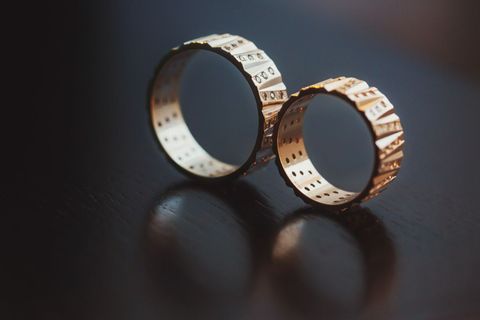
Explore Chunky Wedding and Engagement Rings: A Guide to Design, Styles, and Jewelry Tips
Updated: November 19, 2026
Read More