Human Machine Interface Guide: Explore HMI Basics, Industrial Automation Insights, Touchscreen Systems, Control Panel Tips, and User Interface Knowledge
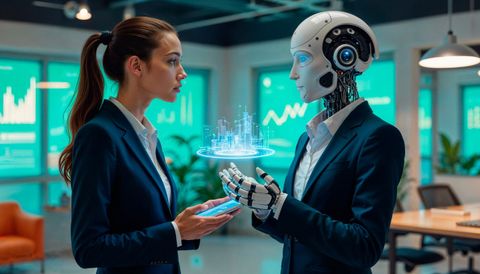
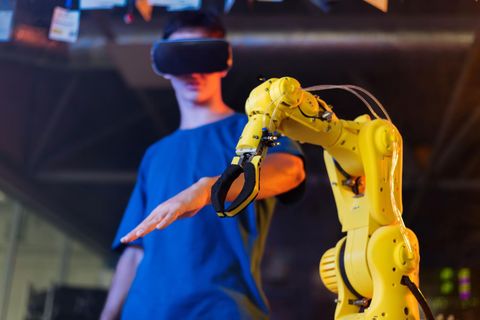
Human Machine Interface (HMI) technology plays an essential role in modern industrial automation by providing a communication bridge between people and machines.
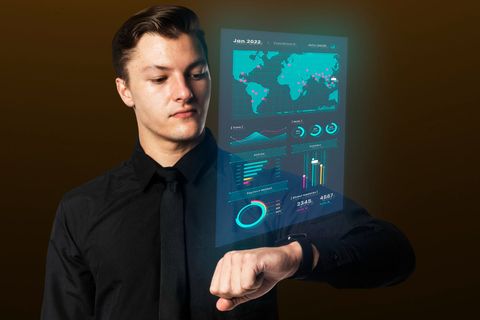
An HMI enables operators to monitor equipment, visualize production data, adjust machine settings, and respond to system alerts through intuitive graphical interfaces. Whether displayed on a touchscreen HMI panel, industrial computer, or mobile device, HMI systems simplify complex industrial operations.
As manufacturing continues evolving through Industry 4.0, digital transformation, and industrial IoT platform technologies, HMI solutions have become increasingly intelligent and connected. Modern human machine interface software, industrial automation software, and SCADA and HMI systems allow operators to access real-time production information, improve operational efficiency, and support data-driven decision-making.
From manufacturing plants and energy facilities to water treatment, pharmaceuticals, logistics, and food processing, Human Machine Interface technology has become a core component of industrial control systems.
Understanding Human Machine Interface (HMI)
A Human Machine Interface is the visual and interactive system that allows users to communicate with industrial equipment. Rather than directly operating programmable controllers or machinery, operators use graphical screens displaying process information, machine status, alarms, and controls.
Modern human machine interface software combines graphics, data visualization, alarms, reporting, and communication protocols into an easy-to-use interface.
Typical HMI components include:
- Industrial touchscreen display
- Touchscreen HMI panel
- Industrial control panel
- HMI programming software
- PLC communication modules
- Alarm management
- Trend graphs
- Data logging
- Industrial IoT platform connectivity
- Network communication interfaces
When integrated with PLC and HMI integration, operators can start or stop equipment, monitor production variables, review historical data, and identify potential operational issues more efficiently.
Why Human Machine Interface Technology Matters
Industrial operations generate large amounts of production data every second. Without an effective visualization system, operators may struggle to monitor machine performance or quickly identify abnormalities.
Human Machine Interface technology improves operational awareness by presenting complex information in a clear graphical format.
Industries benefiting from HMI include:
| Industry | Common HMI Applications |
|---|---|
| Manufacturing | Production monitoring |
| Automotive | Assembly line control |
| Food Processing | Packaging supervision |
| Pharmaceuticals | Batch monitoring |
| Water Treatment | Pump and valve control |
| Energy | Power distribution monitoring |
| Oil and Gas | Process visualization |
| Logistics | Conveyor system management |
Human Machine Interface technology helps address challenges such as:
- Equipment monitoring
- Process visualization
- Alarm management
- Production consistency
- Operational efficiency
- Equipment diagnostics
- Historical data analysis
- Operator decision support
The combination of industrial automation software, SCADA and HMI systems, and industrial IoT connectivity enables organizations to monitor operations from centralized locations while improving overall production visibility.
Types of Human Machine Interface Systems
Different industries use different HMI designs depending on operational requirements.
| HMI Type | Primary Use |
|---|---|
| Basic Operator Panel | Machine operation |
| Touchscreen HMI Panel | Interactive machine control |
| PC-Based HMI | Complex visualization |
| SCADA and HMI Systems | Facility-wide monitoring |
| Mobile HMI | Remote monitoring |
| Web-Based HMI | Browser access |
| Embedded HMI | Integrated equipment interface |
| Industrial Touchscreen Display | Harsh industrial environments |
Basic Operator Panels
These interfaces provide essential machine controls, status indicators, and alarm notifications for individual equipment.
Touchscreen HMI Panel
A touchscreen HMI panel enables operators to interact directly with graphical controls, improving ease of operation.
PC-Based HMI
Industrial computers running advanced HMI software support detailed process visualization, reports, trends, and historical analysis.
SCADA and HMI Systems
Large industrial facilities often combine SCADA and HMI systems to monitor multiple production lines, utilities, and remote assets from centralized control rooms.
Mobile and Web-Based HMI
Modern industrial environments increasingly allow secure monitoring through tablets, smartphones, and browser-based interfaces.
Benefits and Industrial Applications
Human Machine Interface technology provides numerous operational advantages.
Improved Process Visibility
Operators can observe machine status, production rates, alarms, and equipment health from one interface.
Faster Decision-Making
Graphical dashboards simplify process monitoring, allowing faster responses to changing production conditions.
Better Equipment Monitoring
Integrated diagnostics help identify abnormal operating conditions before production interruptions occur.
Simplified PLC Operation
Effective PLC and HMI integration provides user-friendly controls without requiring direct PLC programming during normal operation.
Enhanced Data Analysis
Historical trends support production optimization, maintenance planning, and operational reporting.
Industrial IoT Connectivity
Modern HMIs connect with an industrial IoT platform, enabling real-time monitoring across distributed facilities.
Common industrial applications include:
- Manufacturing automation
- Packaging systems
- Assembly lines
- Water treatment facilities
- Chemical processing
- Food production
- Pharmaceutical manufacturing
- Warehouse automation
- Building automation
- Energy management
- Mining operations
- Process industries
Leading Human Machine Interface Providers
Several global technology companies continue advancing Human Machine Interface solutions.
| Company | Primary Focus |
|---|---|
| Siemens | HMI software, PLC integration, industrial automation |
| Rockwell Automation | FactoryTalk HMI, industrial automation software |
| Schneider Electric | EcoStruxure HMI and automation platforms |
| Mitsubishi Electric | GOT HMI series and industrial control systems |
| ABB | Process automation, industrial HMI and SCADA solutions |
These organizations continue developing advanced HMI automation solutions, industrial touchscreen displays, cloud connectivity, industrial IoT integration, and intelligent operator interfaces.
Recent Developments in HMI Technology
Human Machine Interface technology has continued evolving during the past year.
Important industry developments include:
- Greater adoption of cloud-connected industrial IoT platform architectures throughout 2025–2026.
- Expanded use of HTML5 web-based HMI interfaces for cross-platform accessibility.
- Increased integration between SCADA and HMI systems for enterprise-wide operational visibility.
- Improved cybersecurity features supporting industrial network protection.
- Growing implementation of AI-assisted alarm analysis and predictive maintenance dashboards.
- Enhanced industrial touchscreen display technology with higher durability and improved multi-touch capabilities.
- Wider adoption of remote visualization tools supporting distributed industrial operations.
Manufacturers also continue emphasizing digital transformation initiatives that integrate HMI, industrial automation software, analytics platforms, and smart manufacturing technologies.
Regulations, Standards, and Government Policies
Human Machine Interface systems are commonly deployed within regulated industrial environments where operational safety, cybersecurity, and engineering compliance are important.
Frequently referenced standards include:
- IEC 61131 for industrial automation programming
- IEC 62443 industrial cybersecurity framework
- ISO 13849 machinery safety
- IEC 61508 functional safety
- Electrical equipment safety regulations
- Occupational workplace safety requirements
Many countries encourage digital manufacturing through Industry 4.0 initiatives, industrial modernization programs, and smart factory development strategies.
Organizations implementing HMI systems generally evaluate:
- Machine safety requirements
- Human factors engineering
- Cybersecurity controls
- Data integrity
- Access management
- Industrial network security
- Documentation and maintenance procedures
Applicable regulations vary according to country, industry sector, and facility requirements. Organizations typically consult current engineering standards and local regulatory authorities before implementing industrial automation projects.
Helpful Tools and Learning Resources
Professionals can improve their understanding of Human Machine Interface technology using a variety of educational tools.
| Resource Category | Examples |
|---|---|
| HMI Programming Software | WinCC, FactoryTalk View, EcoStruxure Operator Terminal Expert |
| PLC Software | TIA Portal, Studio 5000, GX Works |
| SCADA Platforms | Ignition, AVEVA System Platform, CIMPLICITY |
| Industrial IoT Platform | Azure IoT, AWS IoT, Siemens Industrial Edge |
| Programming Languages | Structured Text, Ladder Logic, Python |
| Simulation Software | Factory simulation environments |
| Technical Documentation | IEC standards, manufacturer manuals |
| Learning Resources | Industrial automation textbooks, engineering institutes, online technical courses |
Useful study topics include:
- Human machine interface software
- PLC and HMI integration
- HMI programming software
- Industrial automation software
- SCADA and HMI systems
- Industrial touchscreen display configuration
- Alarm management
- Data visualization
- Industrial networking
- Industrial IoT platform integration
Human Machine Interface Architecture Overview
Industrial Sensors
        │
        ▼
Programmable Logic Controller (PLC)
        │
        ▼
PLC and HMI Integration
        │
        ▼
Human Machine Interface Software
        │
        ▼
Touchscreen HMI Panel
        │
        ▼
Industrial Control Panel
        │
        ▼
SCADA and HMI Systems
        │
        ▼
Industrial IoT Platform
        │
        ▼
Production Monitoring Dashboard
Frequently Asked Questions
What is a Human Machine Interface?
A Human Machine Interface is a graphical system that enables operators to communicate with industrial machines through visual displays, controls, alarms, and process information.
How does HMI differ from SCADA?
An HMI primarily provides machine-level visualization and operator interaction, while SCADA systems monitor and supervise multiple machines or facilities, often integrating several HMI interfaces into a centralized control environment.
Why is PLC and HMI integration important?
PLC and HMI integration allows operators to monitor machine status, adjust operating parameters, acknowledge alarms, and visualize production data through a user-friendly interface without directly interacting with controller programming.
What industries commonly use HMI systems?
Manufacturing, automotive, pharmaceuticals, food processing, water treatment, energy, logistics, mining, and chemical processing all rely extensively on HMI technology.
What skills are useful for learning HMI technology?
Useful skills include HMI programming software, PLC programming, industrial networking, SCADA systems, industrial automation software, industrial IoT platform concepts, cybersecurity, and process control fundamentals.
Conclusion
Human Machine Interface technology has become an essential component of modern industrial automation. By combining human machine interface software, industrial automation software, PLC and HMI integration, SCADA and HMI systems, and industrial IoT platform technologies, organizations can improve operational visibility, simplify machine interaction, and support informed decision-making.
As industries continue advancing toward digital manufacturing and smart factories, Human Machine Interface systems will remain central to efficient production, process monitoring, and industrial data visualization. Continued learning in HMI programming software, industrial touchscreen displays, automation engineering, and cybersecurity helps professionals understand the evolving landscape of industrial automation.
Informational Disclaimer: This article is intended for educational and informational purposes only. Features, implementation approaches, technology capabilities, engineering requirements, regulations, and any estimated budgets or implementation packages associated with Human Machine Interface systems may vary by industry, equipment type, country, and operational environment.

Related Post...