Learn About Luxury Bus Rentals: Overview, Basics, Travel Fact, and Useful Resources
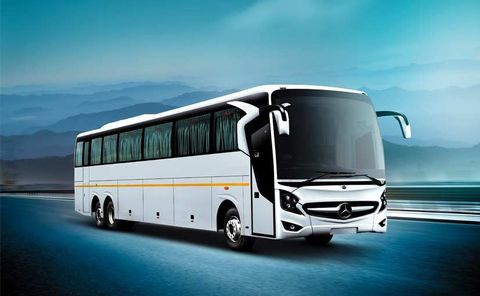
Luxury bus rentals are organized transportation arrangements that allow individuals, families, businesses, and groups to travel together in specially equipped buses or coaches. These vehicles generally provide additional passenger comfort, seating space, climate control, and entertainment features compared with basic public transportation.
Understanding Luxury Bus Rentals
The concept exists to make group travel more coordinated and comfortable. Instead of arranging several smaller vehicles, passengers can travel together in one vehicle according to a planned itinerary.
A Luxury Bus Rental may include different vehicle categories, such as a Charter Bus Rental, Executive Bus Rental, Private Coach Rental, or Luxury Mini Bus Rental. Each category serves different passenger numbers and travel requirements.
For example, companies may use executive coaches for corporate transportation, families may consider private coaches for sightseeing, and event organizers may arrange wedding transportation for guests. A Party Bus Rental is another category designed around group celebrations and entertainment-oriented travel.
How Luxury Bus Transportation Works
Luxury bus transportation generally involves several planning stages:
Route planning: Identifying the starting point, destination, stops, and estimated journey duration.
Fleet selection: Choosing a vehicle according to passenger capacity, luggage requirements, and travel distance.
Travel scheduling: Establishing departure times, arrival expectations, and rest breaks.
Passenger arrangements: Confirming seating, accessibility requirements, and special travel considerations.
Journey coordination: Managing driver schedules, vehicle readiness, passenger communication, and route changes.
The arrangements may differ depending on whether transportation is required for a short city journey, an airport transfer, a wedding, or an extended interstate trip.
Common Types of Luxury Bus Rentals
Different vehicle categories are designed for different travel situations.
| Bus category | Typical application | Main characteristics |
|---|---|---|
| Luxury Coach | Long-distance group travel | Reclining seats, luggage space, climate control |
| Charter Bus | Group tours and events | Planned routes and scheduled journeys |
| Executive Bus | Corporate transportation | Professional interiors and comfortable seating |
| Private Coach | Family and private group trips | Dedicated itinerary and group coordination |
| Party Bus | Celebrations and special occasions | Entertainment-oriented interiors |
| Wedding Bus | Wedding guest transportation | Coordinated event transfers |
| Airport Shuttle Bus | Airport transfers | Passenger and luggage movement |
| Luxury Mini Bus | Smaller groups | Compact design and flexible access |
Vehicle specifications vary by manufacturer, operator, model, and configuration. The term luxury does not represent one standardized equipment specification.
Importance of Luxury Bus Rentals in Modern Travel
Group transportation has become an important part of tourism, corporate activities, weddings, educational trips, and large public events. Coordinated transportation helps address practical challenges associated with moving several passengers between different locations.
Benefits for Different Passenger Groups
Families and tourists
Families and travel groups can remain together throughout an itinerary. A private coach can also make it easier to organize sightseeing stops, luggage arrangements, and scheduled departures.
Corporate organizations
An Executive Bus Rental can support transportation for employees, visiting delegates, conference participants, and corporate events. Group travel can simplify arrival coordination and reduce the need for multiple individual journeys.
Wedding and event organizers
Wedding Bus Rental arrangements help coordinate guest movement between hotels, ceremony venues, reception locations, and other event destinations.
Airport passengers
An Airport Shuttle Bus Rental can help transport groups between airports, hotels, railway stations, and conference venues. Luggage capacity and flight-related scheduling are important considerations.
Educational institutions
Schools, colleges, and educational organizations may use charter coaches for excursions, academic visits, sports events, and organized group travel.
Passenger Comfort and Travel Convenience
Passenger comfort depends on more than the appearance of a vehicle. Important features include:
Adjustable or reclining seats.
Effective air-conditioning and ventilation.
Adequate legroom and aisle space.
Clean interiors and suitable lighting.
Luggage compartments and overhead storage.
Charging points and entertainment equipment, where available.
Emergency exits and clearly marked safety equipment.
Accessibility arrangements for passengers with mobility requirements.
For long journeys, seating configuration, rest-stop planning, temperature control, and luggage organization can significantly influence the overall travel experience.
Understanding Fleet Capacity
Choosing the correct vehicle capacity is an important part of travel planning.
| Group size | Possible vehicle category | Planning consideration |
|---|---|---|
| 8–15 passengers | Luxury Mini Bus | Luggage and seating layout |
| 16–25 passengers | Mini Coach | Passenger comfort and route access |
| 26–35 passengers | Mid-size Coach | Luggage and journey duration |
| 36–50 passengers | Full-size Coach | Seating configuration and luggage |
| 50+ passengers | Multiple Coaches | Coordinated departure schedules |
These are illustrative passenger ranges, not fixed industry standards. Actual legal seating capacity must be checked against the vehicle's registration and approved configuration.
Recent Updates and Trends in Luxury Bus Transportation
During 2025 and 2026, the broader passenger transportation industry continued to experience changes involving electric mobility, connected vehicle technology, passenger safety, and digital travel planning. These developments are influencing how operators evaluate modern coach fleets.
Electric and Alternative-Fuel Buses
Electric buses are becoming an increasingly important part of public and organized transportation planning. Battery-powered vehicles can reduce tailpipe emissions during operation, although their overall environmental impact also depends on electricity generation, battery production, and vehicle usage.
For luxury and intercity transportation, important considerations include battery range, charging infrastructure, passenger capacity, luggage requirements, and charging time.
Connected Vehicle Technology
Modern coaches may incorporate GPS tracking, digital route monitoring, driver-assistance features, and fleet-management software.
These technologies can help operators monitor vehicle location, coordinate schedules, and maintain operational records. Their availability varies between manufacturers and vehicle configurations.
Improved Passenger Facilities
Passenger expectations increasingly include convenient charging points, improved seat ergonomics, reliable climate control, and better interior layouts.
Some premium coaches also incorporate entertainment displays, onboard connectivity, and upgraded luggage arrangements. These features should be checked individually rather than assumed to be included in every luxury vehicle.
Digital Travel Coordination
Online itinerary planning, digital confirmations, navigation applications, and electronic payment systems have made group travel coordination more organized.
For airport transfers, wedding transportation, and corporate journeys, digital communication can help passengers understand pickup points, departure schedules, and route changes.
These are broad industry trends rather than claims that every operator has adopted the same technology.
Laws, Policies, and Regulations in India
Luxury bus transportation in India is governed by road transportation legislation, vehicle registration requirements, passenger safety standards, and permit regulations. Operators must ensure that vehicles meet the requirements applicable to their category and intended routes.
Motor Vehicles Act, 1988
The Motor Vehicles Act, 1988 provides the central legal framework for vehicle registration, driving licences, transport permits, insurance, and road safety.
Important considerations include:
Valid vehicle registration and fitness certification.
Appropriate commercial or tourist vehicle permits.
Valid driving licences and applicable driver qualifications.
Passenger liability insurance and vehicle insurance.
Compliance with state and national transportation requirements.
All India Tourist Vehicles (Permit) Rules, 2023
The Ministry of Road Transport and Highways introduced the All India Tourist Vehicles (Permit) Rules, 2023, effective from 1 May 2023.
These rules establish the All India Tourist Permit framework for eligible tourist vehicles operating across India. They also address permit applications, passenger records, insurance, and other operational requirements.
Tourist bus operators should verify their permit category, validity, and applicable documentation before arranging interstate journeys.
Bus Body and Passenger Safety Standards
The Automotive Industry Standards AIS-052 and AIS-119 address bus body design and sleeper coach safety requirements.
Important safety considerations include:
Properly designed emergency exits.
Suitable fire detection and suppression arrangements.
Appropriate passenger seating and aisle layouts.
Compliant vehicle body construction.
Emergency equipment and passenger evacuation arrangements.
A significant regulatory development took effect on 1 September 2025. Under the relevant Ministry notification, bus body builders must follow applicable approval requirements, including AIS-052 (Revision 1), with additional requirements for certain bus categories under AIS-153. <Cite refs={["turn710581search35","turn710581search36","turn710581search34"]}/>
Important Safety Developments in 2026
On 11 February 2026, the Ministry of Road Transport and Highways reported that it had issued an advisory to states and union territories emphasizing compliance with AIS-052 and AIS-119 during registration and fitness inspections.
The announcement followed investigations into serious sleeper-bus fire incidents. It highlighted concerns involving emergency exits, roof hatches, passenger movement, and fire detection and suppression systems. <Cite refs={["turn710581search0"]}/>
These developments underline why passengers and travel organizers should examine vehicle safety arrangements rather than relying only on interior appearance or luxury features.
Government Electric Bus Initiatives
India's PM-eBus Sewa Payment Security Mechanism scheme supports the deployment and operation of electric buses by public transport authorities. Its announced target includes more than 38,000 electric buses during FY 2024–25 to FY 2028–29.
Although this initiative primarily concerns public transportation, it reflects the wider national direction toward electric mobility and cleaner passenger transportation. <Cite refs={["turn710581search10"]}/>
Tools and Resources for Travel Planning
Technology can make luxury group transportation planning more organized. Passengers and event coordinators can use several digital resources to compare routes, estimate journey durations, and coordinate travel arrangements.
Useful Websites and Applications
Google Maps: Helps identify routes, estimate journey durations, locate rest stops, and examine alternative roads.
Google Maps Distance Matrix alternatives and route-planning tools: Useful for comparing travel distances and planning multiple pickup locations.
Parivahan Portal: Provides access to relevant vehicle and transport-related government information, including permit and registration resources.
IRCTC: Useful when comparing bus transportation with railway travel for longer journeys.
Weather applications: Help passengers monitor rain, temperature, and severe weather conditions along planned routes.
Fleet-management software: Can support GPS tracking, vehicle scheduling, route coordination, and fleet monitoring.
Digital itinerary templates: Help organizers record passenger names, pickup points, emergency contacts, luggage requirements, and departure schedules.
How to Evaluate a Luxury Bus Rental
Before finalizing a Charter Bus Rental, Executive Bus Rental, or Private Coach Rental arrangement, consider the following checklist:
Confirm the number of passengers and required seating capacity.
Identify the total journey distance and expected travel duration.
Check luggage compartment dimensions and passenger storage space.
Review air-conditioning, seat configuration, and onboard facilities.
Verify vehicle registration, permits, insurance, and fitness documents.
Examine emergency exits, fire extinguishers, and other safety equipment.
Confirm the driver's licence and relevant travel arrangements.
Review pickup locations, rest breaks, and arrival schedules.
Understanding Rental Prices and Travel Packages
A luxury bus rental price quotation may depend on several factors:
Vehicle category and passenger capacity.
Journey distance and total travel duration.
Local, interstate, or multi-day travel arrangements.
Fuel type and applicable road charges.
Driver arrangements and overnight requirements.
Additional facilities and itinerary changes.
Seasonal demand and vehicle availability.
A Luxury Mini Bus Rental and a full-size premium coach may have significantly different pricing structures because their capacities and equipment differ.
Informational disclaimer: Any estimated rental price or travel package amount should be treated as informative rather than guaranteed. Actual quotations depend on the vehicle, location, journey dates, duration, applicable taxes, and confirmed itinerary. Always review the complete written quotation and included arrangements before making travel decisions.
Frequently Asked Questions
What is the difference between a charter bus and a luxury bus?
A charter bus generally refers to a bus arranged for a particular group and itinerary. A luxury bus describes a vehicle with additional comfort-oriented features, such as reclining seats, improved interiors, climate control, and entertainment facilities. A vehicle can belong to both categories.
How many passengers can a luxury bus accommodate?
Capacity varies according to vehicle size and approved seating configuration. Luxury mini buses may accommodate smaller groups, while full-size coaches can accommodate several dozen passengers. The registered seating capacity should always be verified.
What facilities are commonly available in an executive bus?
An Executive Bus Rental may include reclining seats, air-conditioning, charging points, luggage storage, reading lights, and entertainment equipment. Actual facilities vary according to the vehicle model and configuration.
What should passengers check before choosing a wedding bus rental?
Passengers and event organizers should examine seating capacity, pickup schedules, luggage arrangements, vehicle cleanliness, driver qualifications, emergency exits, and the availability of suitable permits and insurance.
Are luxury buses suitable for long-distance interstate travel?
Yes, appropriately configured and legally compliant coaches can be used for interstate journeys. Route planning, driver rest periods, vehicle fitness, passenger comfort, luggage capacity, and valid tourist permits are important considerations.
Conclusion
Luxury bus rentals provide an organized transportation option for families, corporate groups, tourists, wedding guests, and event participants. Different vehicle categories, including Charter Bus Rental, Executive Bus Rental, Private Coach Rental, Party Bus Rental, and Airport Shuttle Bus Rental, address different passenger and journey requirements.
Selecting an appropriate vehicle involves more than comparing seating capacity or interior features. Route planning, passenger comfort, luggage arrangements, vehicle documentation, driver qualifications, and safety standards all contribute to a well-organized journey.
Developments in electric mobility, digital fleet management, and passenger safety regulations are also influencing the broader transportation industry. Understanding these changes can help passengers and travel planners make informed decisions when evaluating luxury coaches and group transportation arrangements.

Related Post...

SUV Rentals Europe Guide: Learn the Basics, Facts, and Essential Travel Information Guide
Updated: October 28, 2026
Read More
Discover VinFast VF 5 Facelift: Features, Specifications, Tips, and Helpful Resource
Updated: November 02, 2026
Read More
SUV Rental Europe Guide: Learn the Basics, Facts, and Essential Travel Information Guide
Updated: October 28, 2026
Read More