Women’s Fashion Trends Explained: Learn Style Details, Seasonal Changes, Fashion Knowledge, and Tips
Women’s fashion changes continuously as designers, cultural influences, seasonal conditions, technology, and lifestyle preferences shape how people dress.
Understanding these changes can make fashion easier to study without treating every trend as a requirement. From fashion clothing and women’s fashion clothing online to luxury dresses for women, designer clothing for women, trendy clothes for women, and gym clothes for women, the modern fashion landscape includes many different categories and purposes.
Context: Understanding Women’s Fashion Trends
Women’s fashion trends describe noticeable changes in clothing styles, colours, fabrics, silhouettes, patterns, accessories, and ways of combining garments. Trends may develop through fashion shows, street style, cultural traditions, entertainment, social media, sports, and changes in everyday lifestyles.
Fashion is not limited to one style. Some people prefer traditional clothing, while others choose contemporary, minimalist, sporty, formal, or experimental looks. In India, Western and traditional clothing frequently influence each other, creating combinations such as sari gowns, contemporary kurta sets, fusion dresses, and modern versions of traditional textiles.
Fashion trends also vary according to climate. Summer clothes for women commonly emphasize breathable fabrics and lighter construction, while colder seasons encourage layering, jackets, knitwear, and heavier materials.
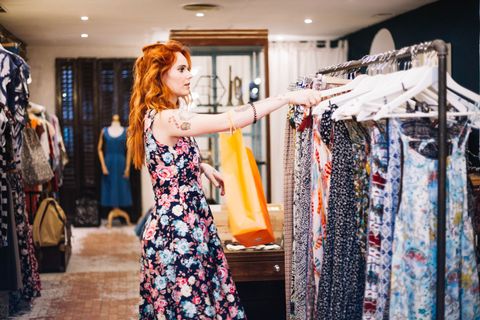
The growing availability of women’s fashion clothing online has also made it easier to research different silhouettes, fabrics, colour combinations, and styling approaches before making wardrobe decisions.
Importance: Why Fashion Trends Matter Today
Understanding fashion trends can help people distinguish between temporary trends and longer-lasting style principles. This knowledge is useful for students, fashion enthusiasts, professionals, content creators, designers, and anyone interested in clothing.
Key areas of importance include:
- Personal style: Trends can provide ideas while allowing individuals to develop their own visual identity.
- Seasonal planning: Knowledge of seasonal fashion helps with selecting suitable fabrics, layers, and colours.
- Cultural expression: Traditional garments and regional textiles continue to influence contemporary clothing.
- Work and social settings: Different environments may require formal, casual, festive, or functional clothing.
- Lifestyle needs: Trend development increasingly includes activewear, relaxed clothing, travel clothing, and versatile outfits.
- Fashion knowledge: Understanding silhouettes, proportions, textiles, and colour theory can make clothing choices more intentional.
Fashion should not be treated as a strict set of rules. A trend can be useful as inspiration without being appropriate for every person, climate, body shape, age group, or occasion.
Types of Women’s Fashion Trends
Women’s fashion can be divided into several broad categories.
| Fashion Type | Main Characteristics | Common Applications |
|---|---|---|
| Casual Fashion | Comfortable silhouettes, denim, shirts, skirts and relaxed separates | Everyday activities |
| Formal Fashion | Structured tailoring, dresses, blazers and refined accessories | Professional and formal occasions |
| Ethnic Fashion | Saris, salwar suits, lehengas, kurtas and regional textiles | Cultural and festive occasions |
| Fusion Fashion | Combination of traditional and contemporary elements | Social events and modern celebrations |
| Athleisure | Sports-inspired clothing combined with everyday styling | Travel, casual activities and active lifestyles |
| Luxury Fashion | Detailed craftsmanship, premium textiles and distinctive design | Formal events and fashion collections |
| Seasonal Fashion | Clothing adapted to weather and seasonal colour preferences | Summer, monsoon, winter and transitional periods |
Casual and everyday styles remain important because they focus on versatility. Denim, oversized shirts, relaxed trousers, simple dresses, and comfortable footwear can be adapted to different settings.
Ethnic and fusion styles remain particularly significant in India. Traditional textiles, embroidery, sari draping, and regional craftsmanship continue to appear alongside contemporary silhouettes.
Athleisure and gym clothes for women combine practical movement with everyday styling. This category has expanded beyond traditional workout environments into travel and casual wardrobes.
Benefits and Applications
Fashion knowledge provides practical benefits when it is approached as a combination of aesthetics, function, culture, and personal preference.
Wardrobe coordination: Understanding colour relationships and garment proportions can make it easier to create multiple outfits from related pieces.
Seasonal adaptation: Summer clothes for women can prioritize breathable materials, while winter wardrobes can use layering and insulation.
Occasion planning: Luxury dresses for women and formal clothing may be appropriate for ceremonies, evening events, or other formal settings, while casual clothing may suit everyday activities.
Professional appearance: Structured clothing, coordinated colours, and appropriate accessories can help create a polished appearance in formal environments.
Cultural styling: Traditional garments can be combined with contemporary footwear, jewellery, jackets, or accessories to create modern interpretations.
Fashion education: Learning about textiles, garment construction, silhouettes, and historical influences can help students and enthusiasts understand why certain trends emerge.
A useful approach is to consider three factors before adopting a trend: function, personal preference, and context. A fashionable garment is more useful when it fits the intended activity and works with the wearer’s existing wardrobe.
Top 5 Leading Fashion Companies
The following are examples of prominent fashion companies and brands associated with women’s apparel in India. This is an illustrative list rather than a formal ranking:
- FabIndia – Known for clothing influenced by Indian textiles, traditional techniques, and contemporary everyday styles.
- Biba – Recognized for women’s ethnic and contemporary Indian clothing, including kurta-based collections.
- W for Woman – Focuses on contemporary Indian womenswear with ethnic and fusion influences.
- AND – Associated with modern Western womenswear, including dresses, separates, and contemporary silhouettes.
- Anita Dongre – Known for luxury and occasion-focused Indian fashion, including bridal and festive designs.
These companies represent different approaches to women’s fashion, demonstrating how ethnic, Western, contemporary, and luxury categories coexist within the Indian fashion market.
Recent Updates: 2025–2026 Fashion Trends
Fashion coverage during 2025 and 2026 shows continued movement toward a mixture of traditional craftsmanship, relaxed silhouettes, statement details, and renewed interest in earlier fashion periods.
At Lakmé Fashion Week 2025, Vogue India highlighted bold prints, mixed metals, and corsets among notable runway directions.
During 2026, several trends received increased attention, including ballet flats, oversized T-shirts, cargo trousers, bubble skirts, halterneck styles, and contemporary interpretations of Indian clothing.
Colour experimentation has also remained visible. Vogue India reported colour trends including blush pink and several blue-related shades during spring 2026 coverage.
Traditional Indian fashion has continued to influence contemporary styling. Recent coverage has featured Paithani, Kanchipuram, Banarasi, Jamdani, chikankari, zardozi, and other forms of Indian craftsmanship in modern silhouettes.
Another important development is the growing connection between fashion and digital fitting technology. BIS documentation lists standards related to virtual human-body representation, virtual garments, garment measurements, and digital fitting performance, showing continued technical development within the clothing sector.
Laws and Policies in India
Women’s fashion in India is influenced by consumer-protection, product-information, textile-standardization, and advertising rules.
The Legal Metrology (Packaged Commodities) Rules establish declaration requirements for packaged products. Specific provisions for garments and hosiery sold loose or open at the point of sale require information such as manufacturer or brand-owner details, consumer contact information, recognizable size indicators, metric measurements, and maximum retail price; relevant information is also required on an e-commerce website when applicable.
The Consumer Protection Act framework and related guidelines are relevant to fashion advertising because misleading advertisements and endorsements can create consumer-protection concerns. India’s Department of Consumer Affairs lists guidelines addressing misleading advertisements and dark patterns.
Environmental claims also require care. India introduced guidelines concerning greenwashing and misleading environmental claims in 2024, which are relevant when fashion companies make environmental statements about textiles, production, packaging, or sustainability.
BIS has also continued developing and updating textile standards. Its 2025 publication described standards and standards-in-development covering knitted garments, woven garments, leggings, trousers, jackets, denim, scarves, and other textile categories.
These rules and standards can change, so businesses and consumers should consult the latest official government notifications for specific requirements.
Tools and Resources for Fashion Knowledge
Several resources can help readers understand fashion without relying only on social-media trends.
- Vogue India: Useful for tracking runway developments, seasonal trends, Indian designers, street style, and fashion news.
- BIS Know Your Standard: Provides access to Indian Standards and related documentation for textile and other product categories.
- Colour palette tools: Useful for studying colour combinations and coordinating outfits.
- Digital wardrobe planners: Can help organize clothing categories and identify repeated combinations.
- Size and measurement charts: Useful when comparing garment measurements across different brands.
- Fashion magazines and runway archives: Helpful for studying historical influences and changes in silhouettes.
- Fabric guides: Useful for learning about cotton, linen, silk, wool, synthetic fibres, blends, and their typical characteristics.
When researching women’s fashion clothing online, it is useful to compare fabric composition, measurements, care instructions, and garment construction rather than relying only on photographs.
Informational disclaimer: Any price, package, or product-detail examples encountered in fashion research are illustrative and may vary according to brand, material, design, location, season, taxes, and availability. Readers should verify current information from the relevant company or official source.
FAQs
What are women’s fashion trends?
Women’s fashion trends are noticeable changes in clothing, colours, silhouettes, fabrics, accessories, and styling practices. They can be seasonal, cultural, social, or influenced by runway and street fashion.
Which types of women’s clothing are most common?
Common categories include casual clothing, formalwear, ethnic clothing, fusion fashion, activewear, luxury fashion, and seasonal clothing. Individual preferences vary considerably.
How can someone understand fashion trends without following every trend?
Focus on recurring elements such as colour, silhouette, fabric, proportion, and styling. This helps identify broader fashion directions while maintaining personal preferences.
What makes designer clothing for women different from everyday clothing?
Designer clothing often emphasizes distinctive design concepts, craftsmanship, construction, fabric selection, and artistic direction. The level of detail varies between designers and collections.
How do seasonal changes influence women’s fashion?
Weather affects fabric choice, layering, garment weight, colour preferences, and footwear. Summer fashion commonly uses lighter construction, while colder seasons encourage layering and warmer materials.
Conclusion
Women’s fashion trends are shaped by a combination of culture, climate, technology, lifestyle, design, and personal expression. Understanding the difference between casual, formal, ethnic, fusion, luxury, seasonal, and athleisure styles provides a useful foundation for interpreting modern fashion.
Recent 2025–2026 developments show that contemporary fashion is not moving in one direction. Traditional Indian craftsmanship continues alongside relaxed silhouettes, sporty influences, retro references, statement accessories, and digital fashion technologies.
The most practical approach is to treat trends as information and inspiration rather than strict rules. By learning about fabrics, proportions, seasonal requirements, cultural influences, and garment construction, readers can develop stronger fashion knowledge and make more informed style decisions.

Related Post...

Learn Epoxy Water Paint: Guide, Benefits, Details, Insights, and Helpful Resources
Updated: October 05, 2026
Read More