Automobiles Explained: Learn Vehicle Components, Engineering, Modern Innovations, Explore Guide, Tips, Insights, and Helpful Resources
Automobiles are among the most significant engineering achievements of the modern world. They support personal transportation, commercial logistics, emergency response, agriculture, and industrial operations.
Today's vehicles combine mechanical engineering, electronics, software, and intelligent connectivity to improve safety, efficiency, and convenience. Modern automotive engineering continues to evolve through Electric Vehicle Technology, connected cars technology, advanced driver assistance systems, and sophisticated Automotive Electronics Testing methods.
This guide explains automobile fundamentals, major vehicle components, different automobile types, practical applications, leading Automotive Technology Companies, recent developments, regulations, and useful learning resources. The information is educational and intended for general readers.
Understanding Automobiles and Their Purpose
An automobile is a self-propelled road vehicle designed primarily for transporting people or goods. Early automobiles relied entirely on mechanical systems, while modern vehicles combine advanced electronics, sensors, artificial intelligence, communication networks, and software.
The automobile industry exists to improve mobility, reduce travel time, support economic development, and connect communities. Modern automotive engineering focuses on improving vehicle safety, fuel efficiency, emissions reduction, passenger comfort, and digital connectivity.
Common vehicle systems include:
- Engine or electric powertrain
- Transmission
- Suspension
- Steering
- Braking system
- Wheels and tires
- Electrical system
- Battery management
- Sensors
- Infotainment system
- Climate control
- Safety technologies
Vehicle owners often rely on an Automobile Workshop for inspections, diagnostics, and Vehicle Repair and Maintenance to keep these systems operating efficiently.
Why Automobiles Matter Today
Transportation plays an essential role in everyday life. Reliable vehicles support education, healthcare, trade, tourism, emergency response, agriculture, and manufacturing.
Modern automobiles contribute through:
- Faster transportation
- Improved road safety
- Greater passenger comfort
- Better fuel efficiency
- Lower emissions through electric mobility
- Smart navigation
- Connected vehicle communication
- Improved fleet management
- Enhanced accessibility
Many people also compare auto insurance quotes to understand available policy options and insurance coverage that aligns with local regulations. Insurance requirements vary depending on the country and vehicle category.
The growing adoption of connected cars technology enables vehicles to communicate with mobile applications, cloud platforms, roadside infrastructure, and emergency systems.
Major Vehicle Components
| Vehicle Component | Primary Function | Examples |
|---|---|---|
| Powertrain | Generates vehicle movement | Petrol engine, diesel engine, electric motor |
| Transmission | Transfers power to wheels | Manual, automatic, CVT |
| Braking System | Controls stopping | Disc brakes, ABS |
| Suspension | Improves stability | Shock absorbers, springs |
| Steering | Controls direction | Electric power steering |
| Electrical System | Powers electronics | Battery, alternator |
| Electronics | Controls intelligent functions | ECUs, sensors |
| Safety System | Protects occupants | Airbags, seatbelts, ADAS |
Types of Automobiles
Different vehicles are designed for different transportation requirements.
| Type | Typical Purpose |
| Hatchback | Urban transportation |
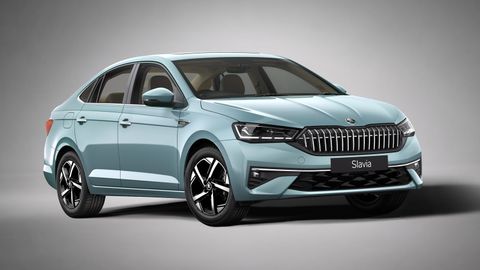
| Sedan | Family and business travel |
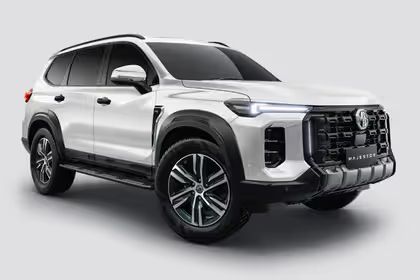
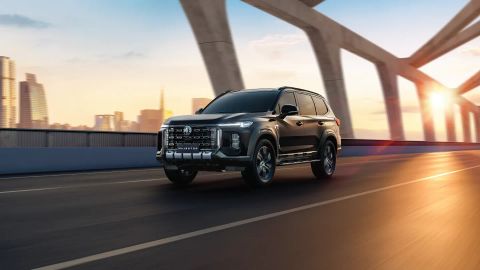
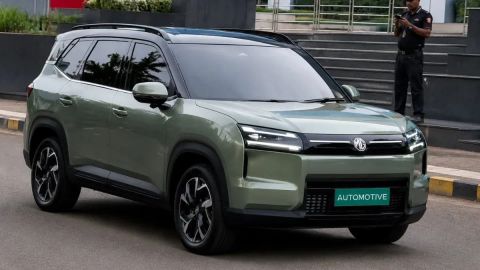
| SUV | Mixed road conditions |
| Pickup Truck | Goods transportation |
| Van | Passenger or cargo movement |
| Sports Car | High-performance driving |
| Hybrid Vehicle | Combines engine and electric motor |
| Battery Electric Vehicle (EV) | Fully electric transportation |
| Plug-in Hybrid Vehicle | Electric driving with engine backup |
| Commercial Vehicle | Logistics and industrial transport |
Electric mobility continues expanding worldwide as Electric Vehicle Technology advances in battery efficiency, charging infrastructure, and power management.
Benefits and Applications
Modern automobiles combine traditional mechanical engineering with digital innovation.
Key benefits include:
- Improved transportation efficiency
- Enhanced passenger safety
- Better energy management
- Reduced environmental impact
- Smart navigation assistance
- Real-time diagnostics
- Comfortable driving experience
- Predictive maintenance support
- Improved traffic management
- Connected mobility
Applications extend across many industries:
- Personal transportation
- Public transportation
- Logistics
- Agriculture
- Construction
- Mining
- Healthcare
- Emergency response
- Tourism
- Manufacturing
Modern vehicles increasingly integrate:
- Advanced driver assistance systems
- Intelligent parking assistance
- Collision avoidance
- Adaptive cruise control
- Lane keeping support
- Driver monitoring systems
Before deployment, manufacturers conduct extensive Automotive Electronics Testing to validate software reliability, electronic control units, sensor accuracy, battery systems, and communication networks.
The illustration below highlights how major automotive technologies work together.
                    Modern Automobile
                           │
     ┌───────────────┬───────────────┬───────────────┐
     │               │               │
 Mechanical      Electronics     Software
 Systems          & Sensors      & Connectivity
     │               │               │
 Engine        Cameras          Navigation
 Transmission  Radar            Cloud Services
 Suspension    LiDAR            Connected Cars
 Steering      ECUs             Mobile Apps
 Brakes        Battery Mgmt     OTA Updates
                           │
                    Safety & Efficiency
Leading Automotive Technology Companies
Several global organizations contribute significantly to automotive innovation, manufacturing technologies, software, electronics, and intelligent mobility.
| Company | Major Area |
| Toyota | Hybrid technology, manufacturing innovation |
| Volkswagen Group | Electric mobility and software platforms |
| Bosch | Automotive electronics, sensors, ADAS |
| Continental | Smart mobility and vehicle electronics |
| Denso | Automotive components and electronic systems |
These organizations contribute to advancements in Automotive Solution Providers, intelligent mobility, connected systems, and vehicle safety technologies.
Recent Developments and Industry Trends
The automotive industry has continued evolving rapidly during the past year.
Important trends include:
- Expansion of global electric vehicle production.
- Continued improvements in battery efficiency and charging technologies.
- Wider deployment of advanced driver assistance systems in passenger vehicles.
- Greater adoption of software-defined vehicle architecture.
- Increased investment in connected cars technology and cybersecurity.
- Growth of over-the-air software updates for vehicle systems.
- Enhanced AI-assisted driving technologies.
- Continued development of vehicle-to-everything (V2X) communication.
Several manufacturers announced expanded EV production strategies during 2025–2026, while governments continued investing in charging infrastructure and clean transportation initiatives.
Laws, Regulations, and Government Policies
Automobile regulations vary by country but generally focus on safety, emissions, environmental protection, and consumer protection.
Examples include:
- Vehicle safety certification standards
- Crash testing regulations
- Emission standards
- Electric vehicle safety guidelines
- Cybersecurity requirements for connected vehicles
- Fuel economy standards
- Roadworthiness inspections
- Mandatory vehicle registration
- Driver licensing requirements
- Motor insurance regulations
In India, automobile policies are influenced by initiatives such as:
- Bharat Stage (BS-VI) emission standards
- Central Motor Vehicles Rules (CMVR)
- Vehicle scrappage policy
- Faster Adoption and Manufacturing of Electric Vehicles (FAME)
- Road safety initiatives under the Motor Vehicles Act
Regulatory frameworks continue evolving as electric mobility and intelligent transportation technologies become more common.
Helpful Tools and Learning Resources
Students, vehicle owners, engineers, and researchers often use the following resources:
| Resource | Purpose |
| OBD-II Diagnostic Scanner | Vehicle diagnostics |
| Vehicle Owner Manual | Operating information |
| Digital Maintenance Log | Maintenance tracking |
| Fuel Economy Calculator | Efficiency estimation |
| Tire Pressure Monitoring Guide | Tire safety |
| Battery Health Monitor | Battery condition |
| Navigation Applications | Route planning |
| Traffic Information Platforms | Live traffic updates |
| Automobile Workshop Manuals | Technical reference |
| Auto Insurance Comparison Tools | Educational comparison of auto insurance quotes |
Frequently Asked Questions
What is automotive engineering?
Automotive engineering is the branch of engineering that designs, develops, tests, and improves automobiles and related technologies.
What is Electric Vehicle Technology?
Electric Vehicle Technology uses rechargeable battery systems and electric motors instead of conventional internal combustion engines to power vehicles.
What are advanced driver assistance systems?
Advanced driver assistance systems (ADAS) use sensors, cameras, radar, and software to assist drivers with safety features such as automatic emergency braking, lane keeping assistance, and adaptive cruise control.
Why is Automotive Electronics Testing important?
It verifies the performance, safety, reliability, and functionality of electronic components, software, communication systems, and vehicle sensors before production.
Why is Vehicle Repair and Maintenance necessary?
Regular inspections and maintenance help identify wear, improve safety, maintain efficiency, and support reliable vehicle operation throughout its lifespan.
Conclusion
Automobiles have evolved from simple mechanical machines into highly sophisticated transportation systems integrating automotive engineering, intelligent electronics, artificial intelligence, and digital connectivity. Innovations in Electric Vehicle Technology, connected cars technology, and advanced driver assistance systems continue improving transportation safety, sustainability, and user experience.
Understanding vehicle components, maintenance practices, regulations, and emerging technologies helps individuals make informed decisions while appreciating the engineering behind modern mobility. As innovation continues, automobiles will remain an important part of transportation, economic development, and sustainable mobility worldwide.
Estimated Information Disclaimer: Any figures relating to insurance premiums, maintenance expenses, vehicle ownership, charging infrastructure, or transportation packages vary by location, regulations, vehicle type, and market conditions. Always refer to official manufacturers, insurers, or government authorities for current information. Any estimated figures or package descriptions should be considered informational only and may change over time.

Related Post...


Mercedes-Benz GLC Electric Guide: Explore Feature, Fact, Details, and EV Technology Insights
Updated: September 15, 2026
Read More